City walk · Fes el-Bali, Fez · Morocco
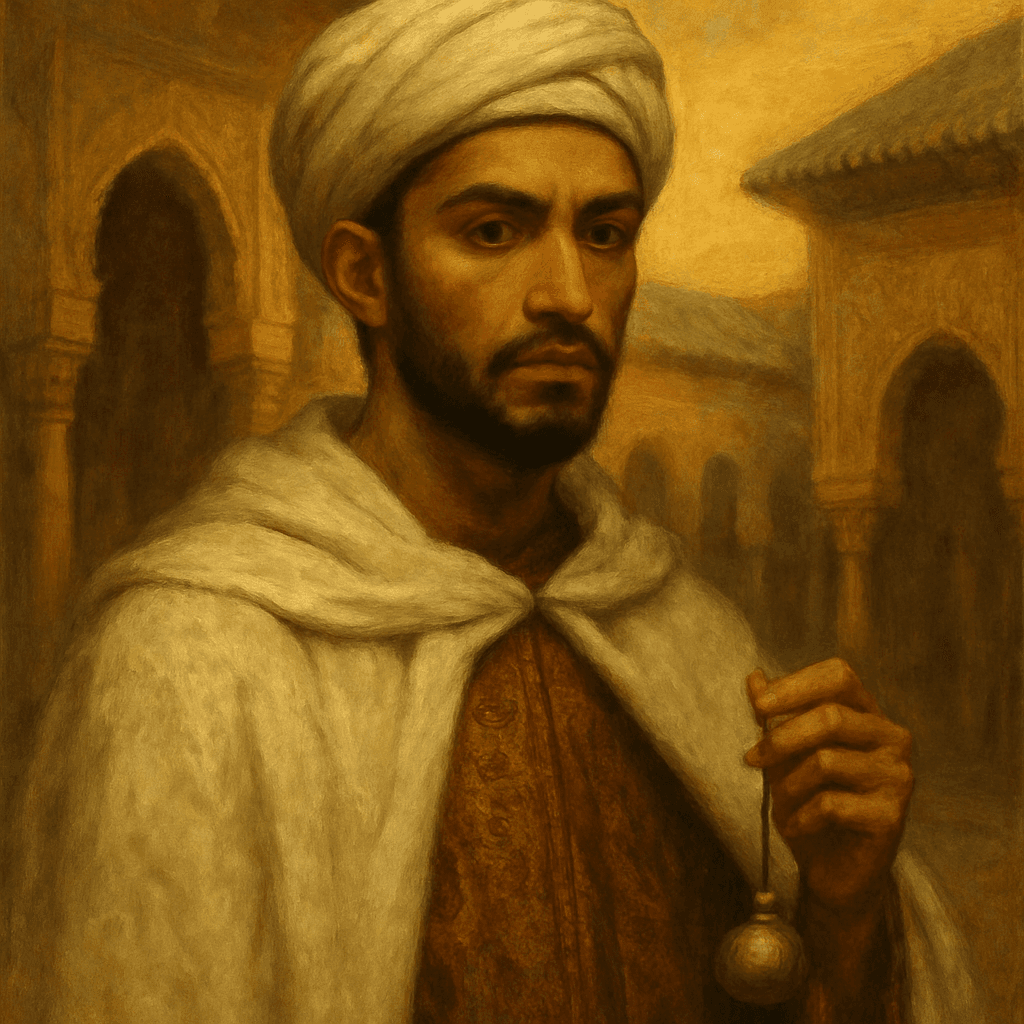
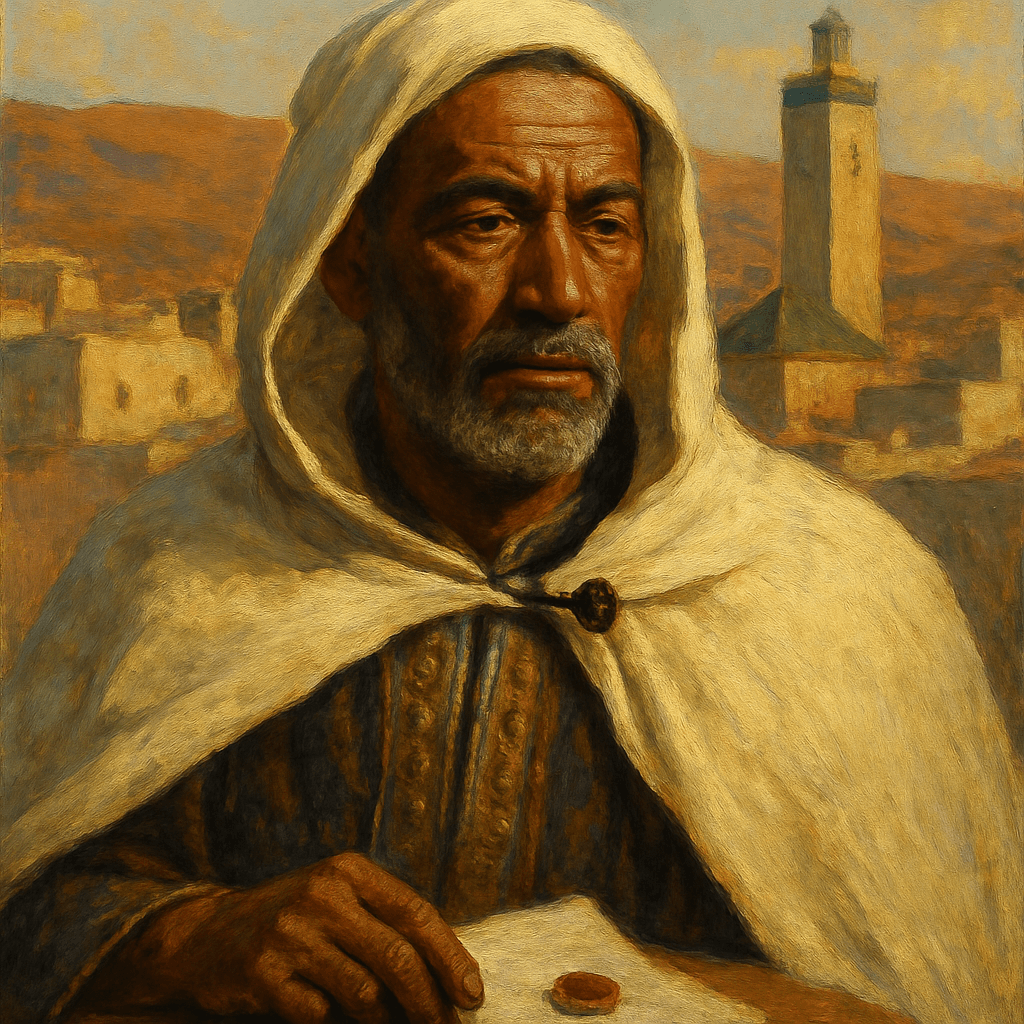
Madani el Glaoui
c.1866–1918 · a real person
An ageing Atlas warlord in his last year: courteous, blunt, proud of his mountain, uneasy in a scholarly city that never accepted him.
Read what Madani el Glaoui says
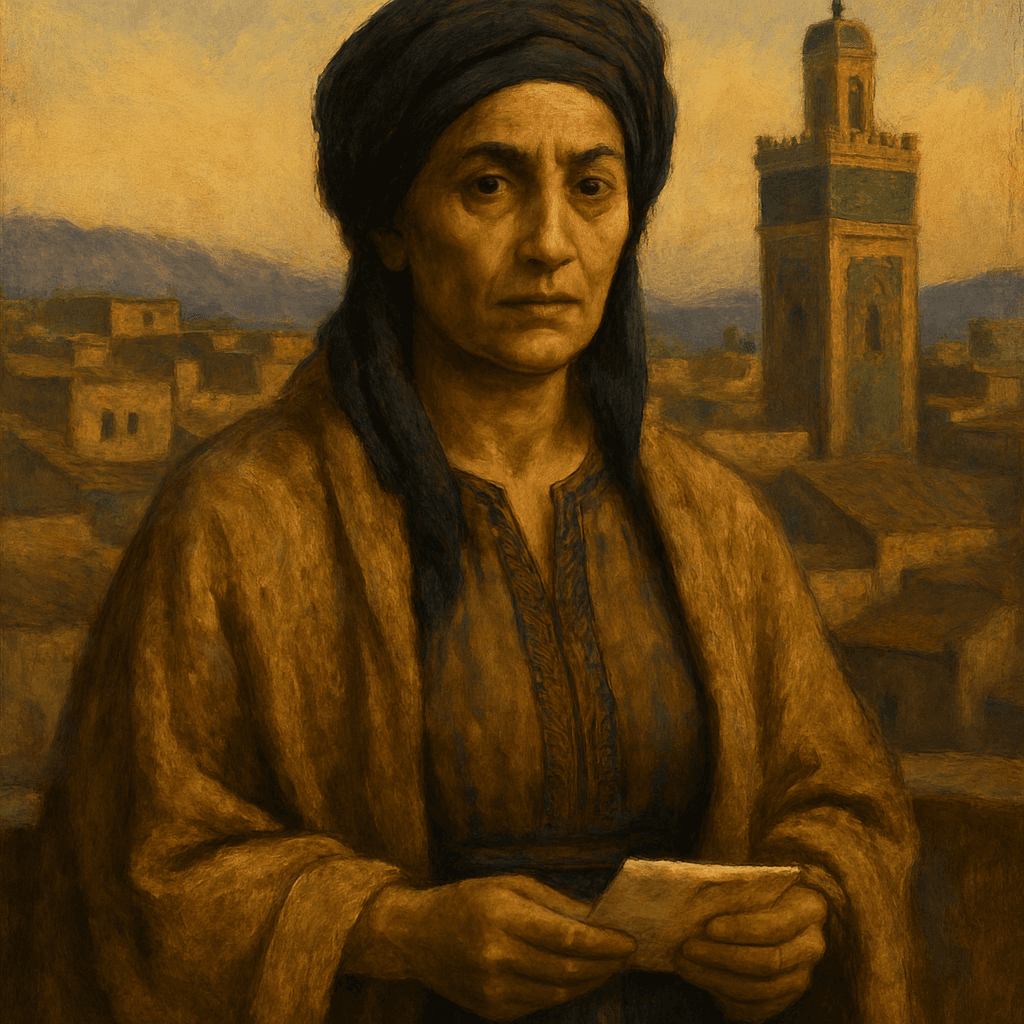
They call me Grand Vizier, but in Fez I am still the man from the mountain who smells of horses. I have a palace here, servants here, and not one friend among the scholars of this city. I am old now and there is a thing I must say out loud before it is said for me — about a signature, a spring morning in 1912, and what came down off these hills afterwards. Give me a whole day and I will walk you the long line of it: salt to gunpowder, the Mellah to the fort. Start where the city keeps the people it promised to protect.
Fes el-Bali · 10 stops · 5.2 km
about 86 min walking, 40 min listening at the stops — going inside is extra · Tap a stop on the map for a preview.
Where it takes you
1 / 6


Best time to walk: Give it a whole day and start by 9am. The Nejjarine museum opens 10:00–17:00, Bou Inania charges 20 MAD and closes to visitors around Friday midday prayers, and the hill stops — the Marinid Tombs and Borj Nord — are bare and brutal at 2pm but glorious in late afternoon light.
2 h · 5.2 km · 10 stops · medium
You’re walking this one before anyone at Walk & Tell has. If something looks wrong, tap Report at any stop — we’ll fix it for everyone after you.
Partly shadedBest time to walk: Give it a whole day and start by 9am. The Nejjarine museum opens 10:00–17:00, Bou Inania charges 20 MAD and closes to visitors around Friday midday prayers, and the hill stops — the Marinid Tombs and Borj Nord — are bare and brutal at 2pm but glorious in late afternoon light.
The walk
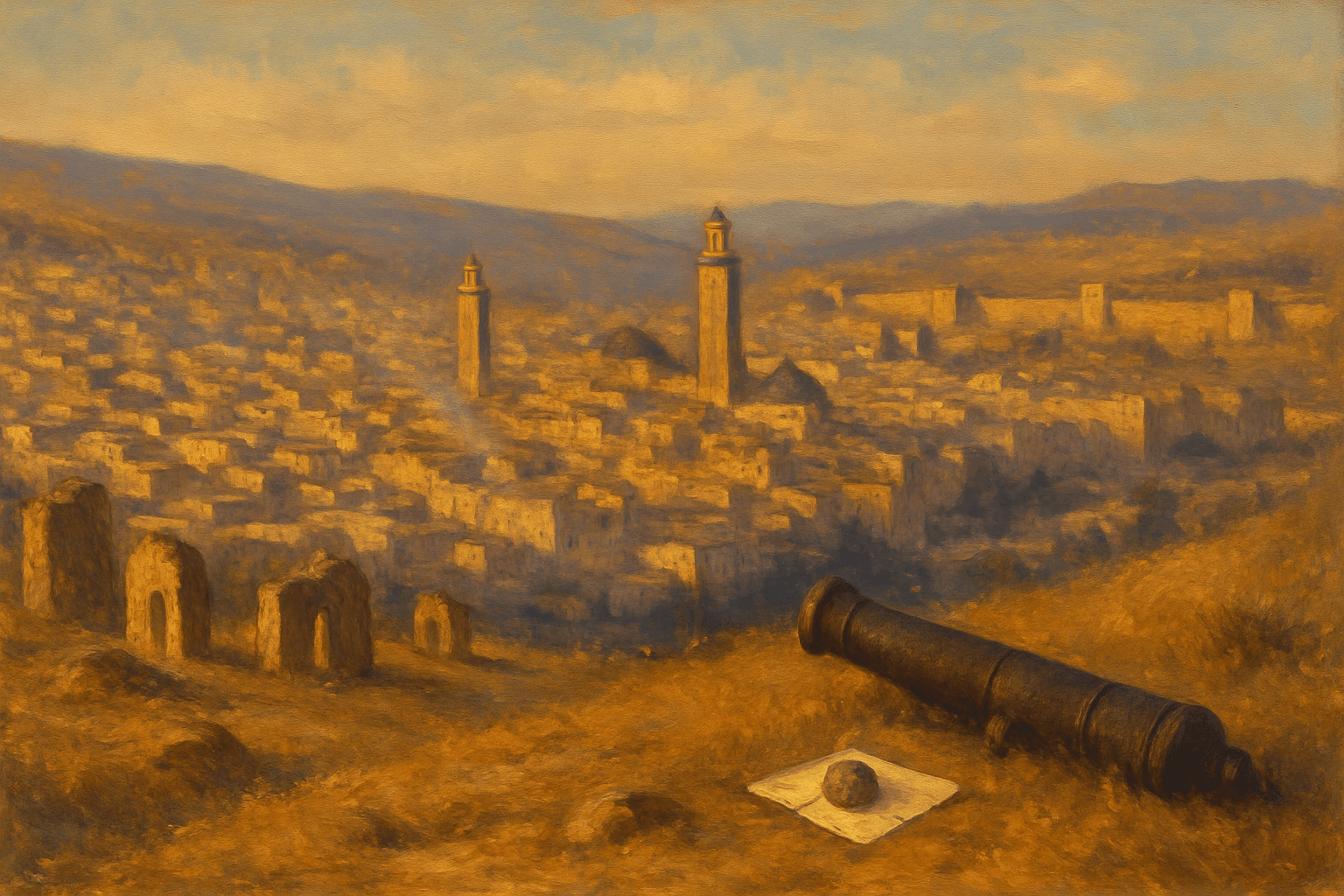
A full day on foot across Fez el-Bali, told by Madani el Glaoui — the Berber chief from the High Atlas who became Grand Vizier and kept a palace in this city he never quite belonged to. The walk runs in one line from the Mellah's synagogue up through the great madrasa and its water clock, into the merchants' heart at Nejjarine, past the shrine of the city's founder and the walls of the world's oldest university, then climbs out of the medina to the ruined Marinid tombs and the fort on the hill. There are no puzzles here: only ten places, ten chapters, and a man in his last year explaining what he did in 1912. Fez rewards this kind of slow walking — it is the largest car-free old city on earth, and every stop on this route is a door the guide either entered, feared, or paid for.
Start here
Rue Elguerna, Mellah الملاح
Start in the Mellah of Fes el-Jdid, on Rue des Mérinides by the Ibn Danan Synagogue, a few minutes' walk east of Place des Alaouites and the Royal Palace gates.
Directions