City walk · Fes Jdid, Fez · Morocco
Leo Africanus (al-Hasan al-Wazzan)
c.1494–c.1554 · a real person
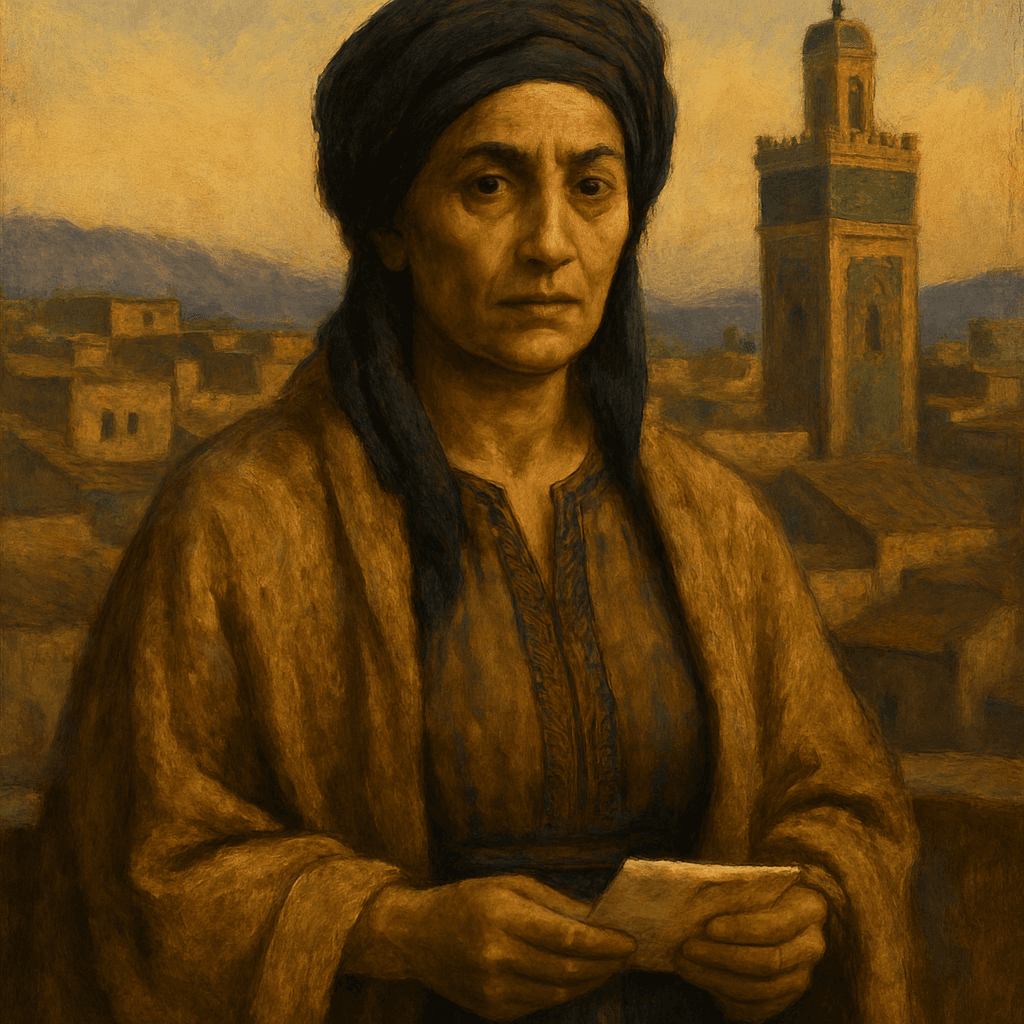
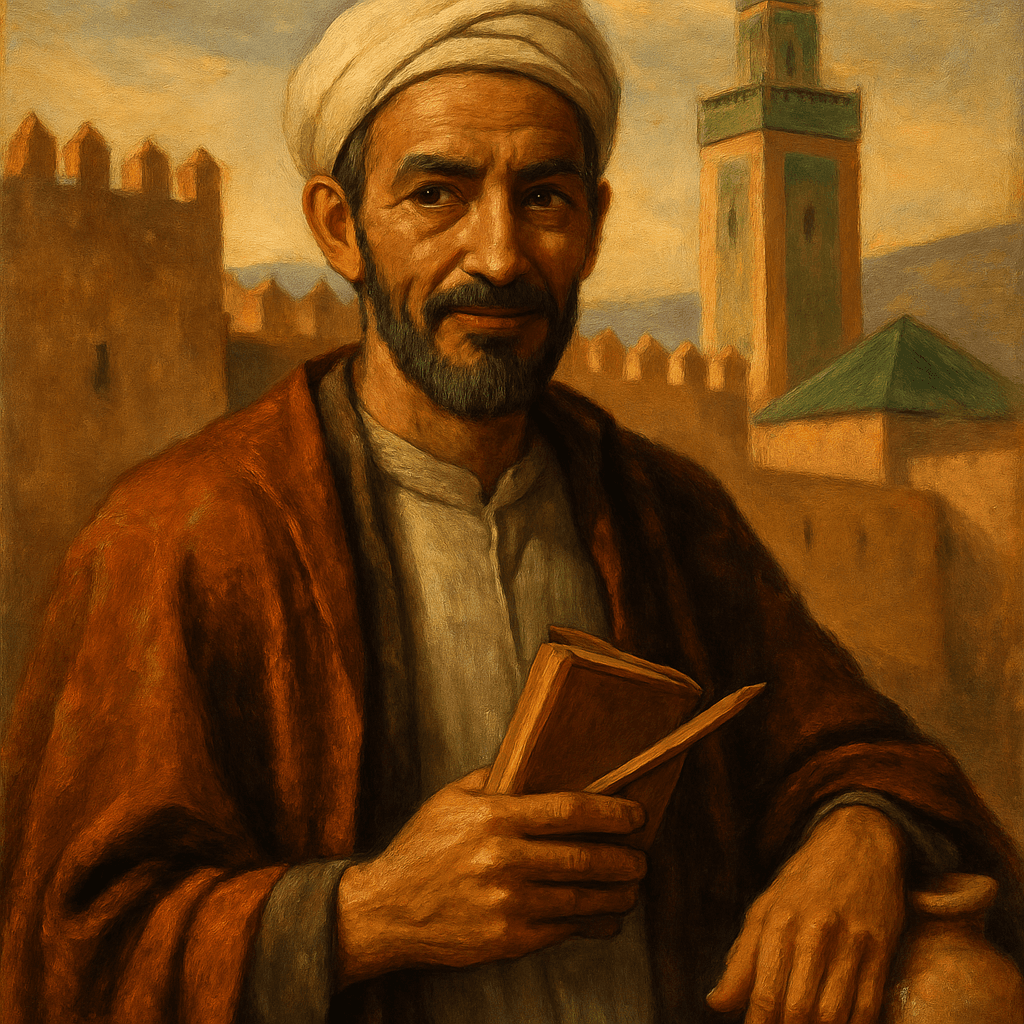
a displaced Fassi scholar-traveller in his fifties, wry, precise, greedy for detail, writing home in a language that isn't his
Read what Leo Africanus (al-Hasan al-Wazzan) says
They call me Leo in Rome, which is not my name. I am al-Hasan, raised in Fez, and in a cold room far from here I once filled a hundred pages with this city's ovens and mills and markets because it was the only way I could still smell it. But a list is not a taste, and I am starting to lose the taste. Walk this street with me — the straight spine of New Fez, from the water gardens down to the palace gates — and tell me what still cooks here. I will give you the story; you give me the smell.
Fes Jdid · 7 stops · 1.7 km
about 33 min walking, 29 min listening at the stops — going inside is extra · Tap a stop on the map for a preview.
Where it takes you
1 / 6


Best time to walk: Early morning while the bread ovens and the Grande Rue stalls are working, or after 5pm when the gardens cool; avoid 1–3pm, when Place des Alaouites and the Mechouar have no shade.
62 min · 1.7 km · 7 stops · medium
You’re walking this one before anyone at Walk & Tell has. If something looks wrong, tap Report at any stop — we’ll fix it for everyone after you.
Partly shadedBest time to walk: Early morning while the bread ovens and the Grande Rue stalls are working, or after 5pm when the gardens cool; avoid 1–3pm, when Place des Alaouites and the Mechouar have no shade.
The walk
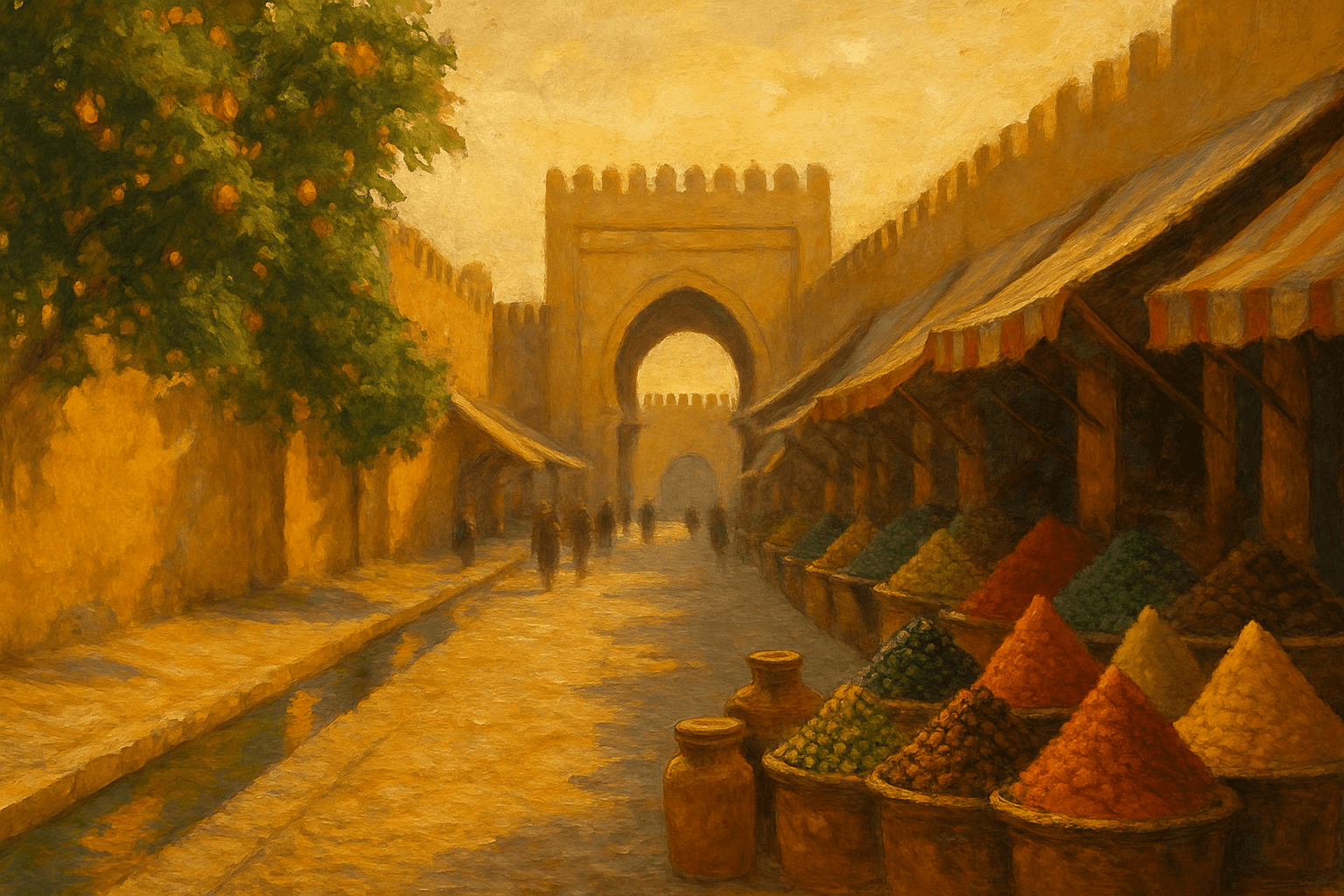
Fes el-Jdid — the royal 'New Fez' below the medina — was never the monument quarter; it was the eating quarter: the mill leats, the communal bread ovens, the olive and butter stalls under the gates, and the salt that gave the Mellah its name. This walk follows one long straight spine from the water gardens down through the Grande Rue markets to the gates of the Royal Palace, told by a man who grew up eating here and later had to describe it all from exile. No puzzles: just seven places, seven chapters, and something to taste at nearly every one. It ends where the city's grandest kitchen once worked, with a square full of cafés.
Start here
Avenue de l'Unesco, Fes Jdid فاس الجديد
Stand at the main gate of Jnan Sbil Gardens on Avenue Moulay Hassan, with the garden walls on your side of the road and the medina walls uphill behind you.
Directions