City walk · Medina & Kasbah, Rabat · Morocco
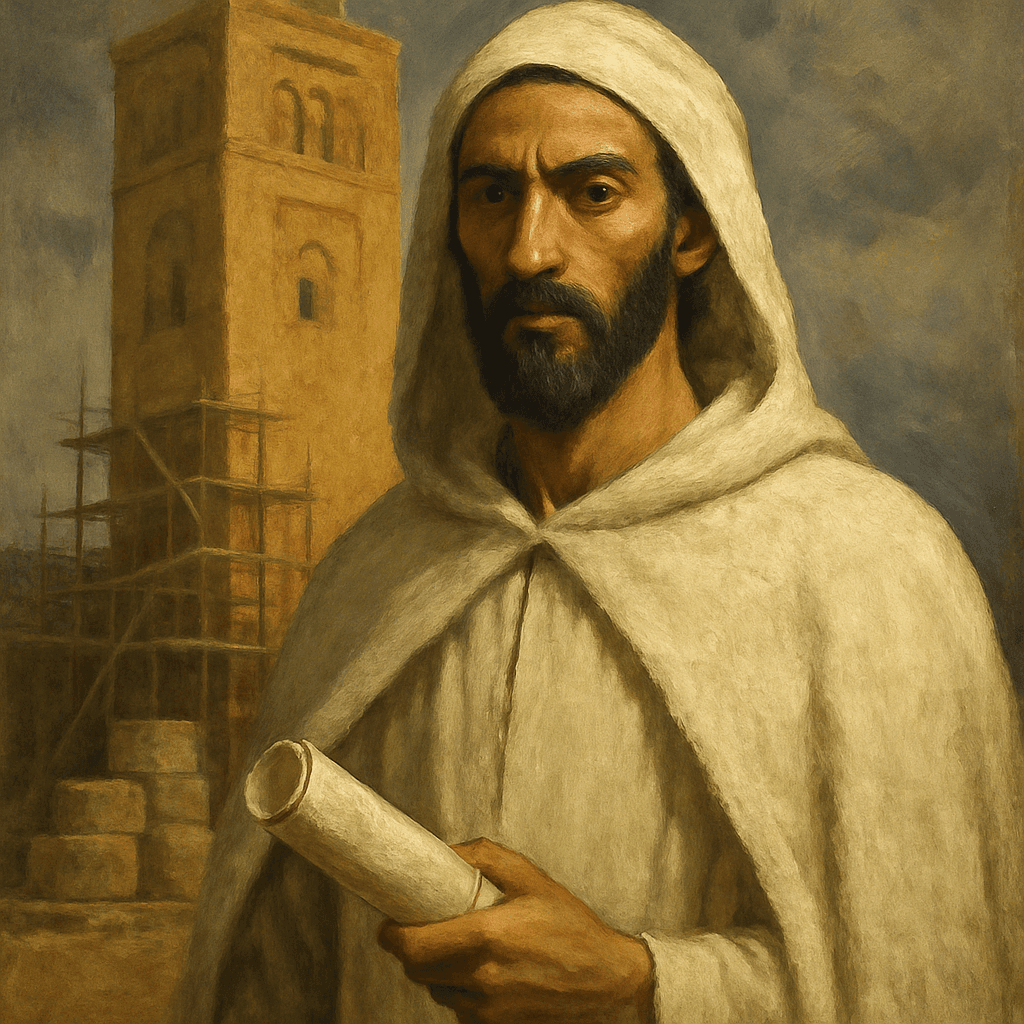
Yaqub al-Mansur
c. 1160–1199 · a real person
a twelfth-century caliph and builder, imperious at first, then plainly and unexpectedly honest about what he failed to finish
Read what Yaqub al-Mansur says
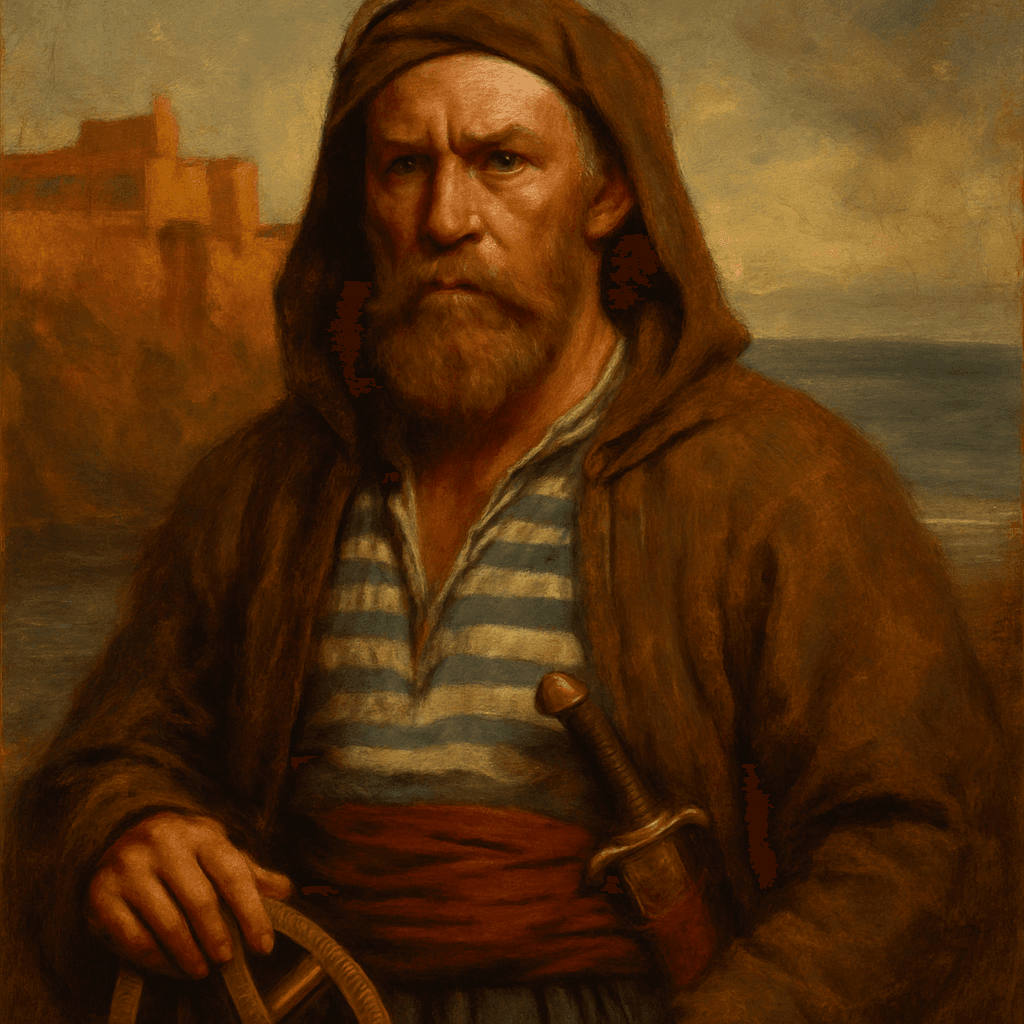
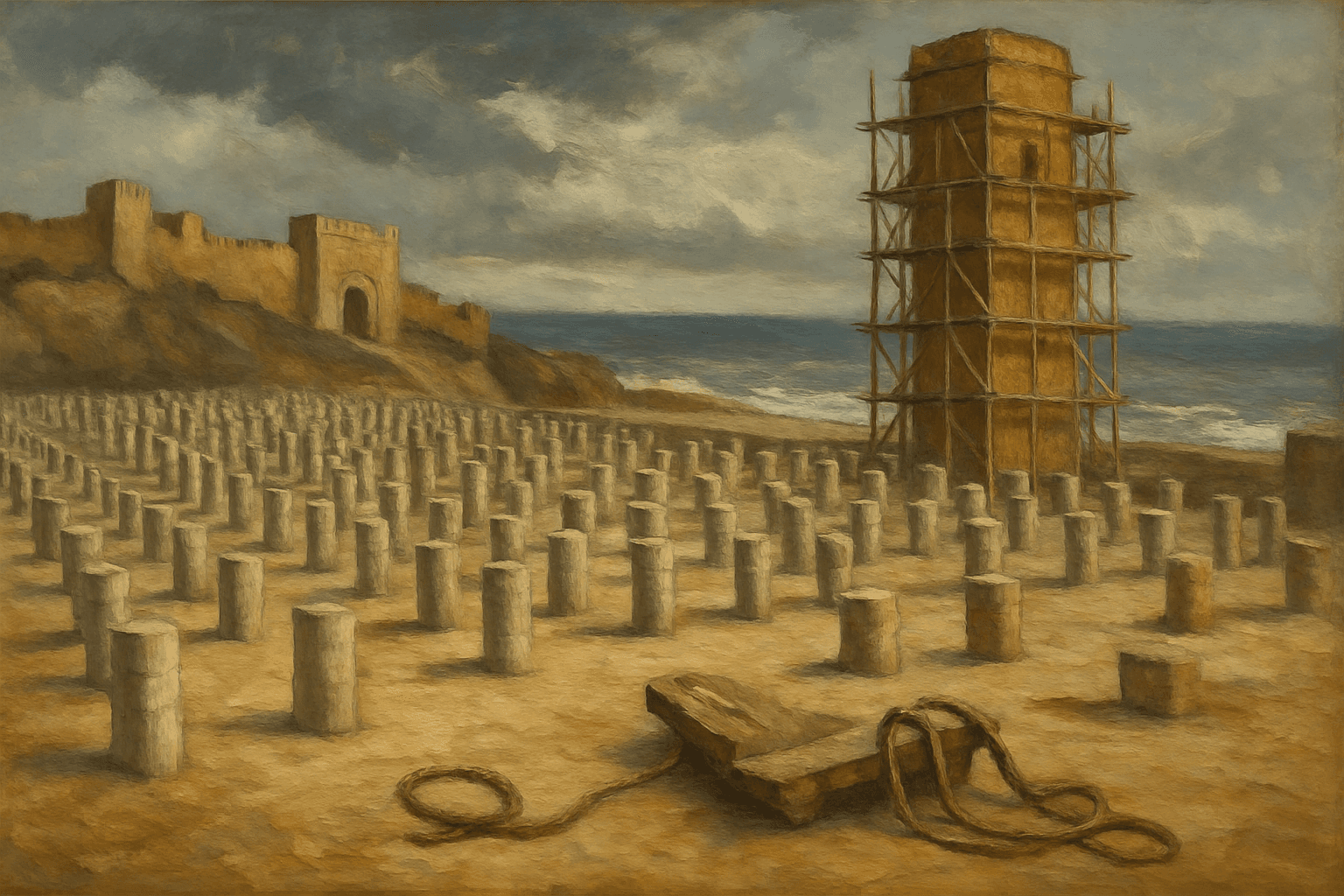
I am Yaqub, called al-Mansur, and I gave this place its name: Ribat al-Fath, the fortress of victory. I meant a capital here — walls over a vast area, gates like triumphal arches, a mosque larger than Cordoba's, all of it facing the river and the ocean. I began it in 1191. In 1199 I died, and everything you are about to walk through stopped where the masons left it. Walk it with me and I will show you what was built, what was never built, and who moved in afterwards.
Medina & Kasbah · 6 stops · 2.9 km
about 60 min walking, 24 min listening at the stops — going inside is extra · Tap a stop on the map for a preview.
Where it takes you
1 / 6


Best time to walk: Morning, or after 5pm — the Kasbah platform and the Hassan esplanade are wide open with no shade at midday, and the medina lanes are calmer before 10am.
84 min · 2.9 km · 6 stops · medium
You’re walking this one before anyone at Walk & Tell has. If something looks wrong, tap Report at any stop — we’ll fix it for everyone after you.
Partly shadedBest time to walk: Morning, or after 5pm — the Kasbah platform and the Hassan esplanade are wide open with no shade at midday, and the medina lanes are calmer before 10am.
The walk
Rabat was invented twice — once as a fortified imperial city called Ribat al-Fath, and once as the capital of an independent Morocco eight centuries later. This walk follows the first version, from the medina streets that sit inside its Almohad walls, up to the great gate of the Kasbah, then east along the river to the huge minaret and the field of broken columns that was meant to be the largest mosque in the western Islamic world. There are no puzzles: the caliph who ordered it all talks you through what he built, what he never finished, and who ended up living in it. It ends where modern Morocco buries its kings, on his own esplanade.
Start here
Avenue Hassan II شارع الحسن الثاني, Océan ⵍⵎⵓⵃⵉⵟ المحيط
Start inside the medina, on Rue Souika — the busy covered main street just north of Avenue Hassan II, near the Bab Bouiba end. Face north, up the street, with the shops on both sides.
Directions