
City walk · Ribeira & Sé, Porto · Portugal
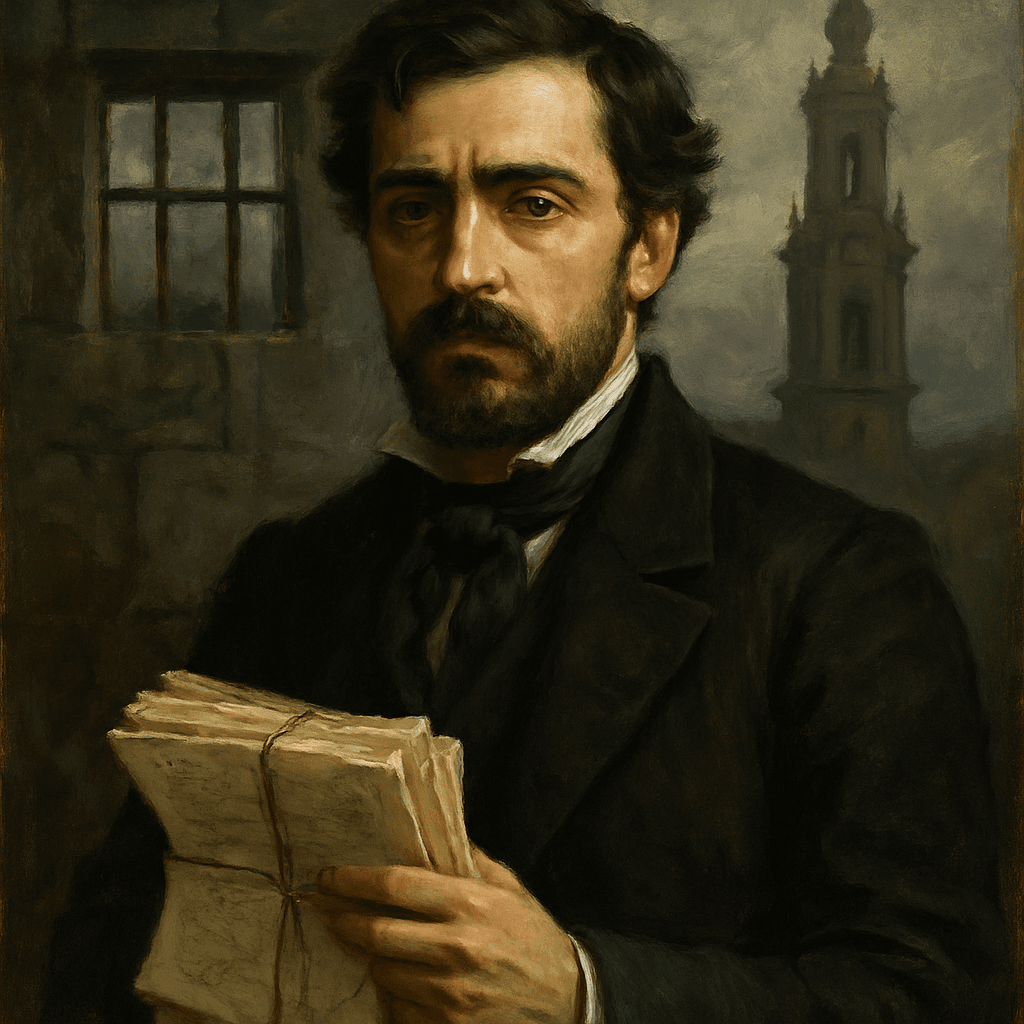
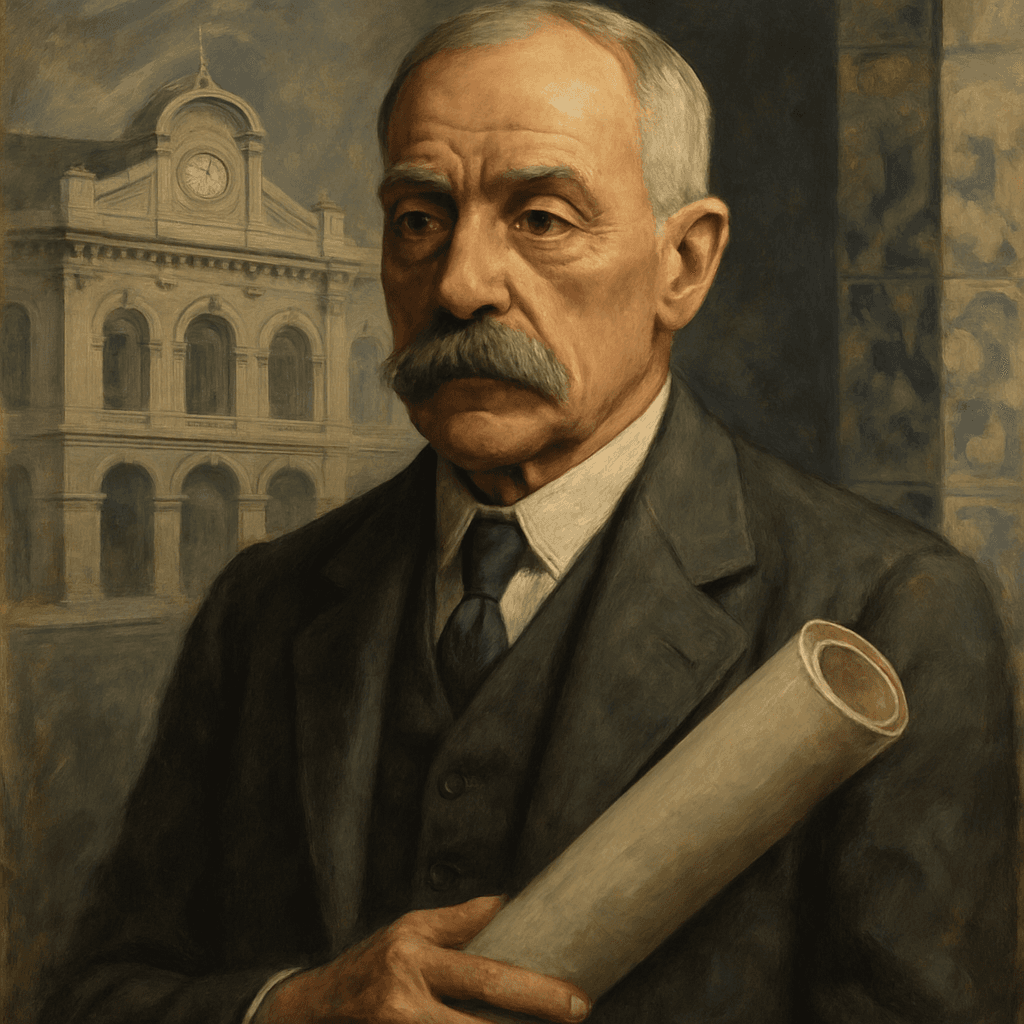
1869–1947 · a real person
a proud, dry Porto architect in his seventies, precise about stone, slow to admit affection, sharper when he talks about committees
My name is Marques da Silva, and I drew the station you will stand in before some of your grandparents were born. A king laid its first stone. Thirteen years it took, and in the ninth they wrote me a letter and took it away from me — the work went on without my name on it. I have spent a long time deciding whether I hate that building or love it. Walk with me downhill to the river, and by the time we reach the water I will tell you what I decided.
You’re walking this one before anyone at Walk & Tell has. If something looks wrong, tap Report at any stop — we’ll fix it for everyone after you.
Ribeira & Sé · 9 stops · 2.7 km
about 45 min walking, 36 min listening at the stops — going inside is extra · Tap a stop on the map for a preview.
1 / 6
Best time to walk: Morning or after 5pm: the Baixa is shaded early, the bridge deck is fully exposed at midday, and Lello's queue is shortest before 10. The Arqueossítio on Rua de Dom Hugo is closed on Mondays.
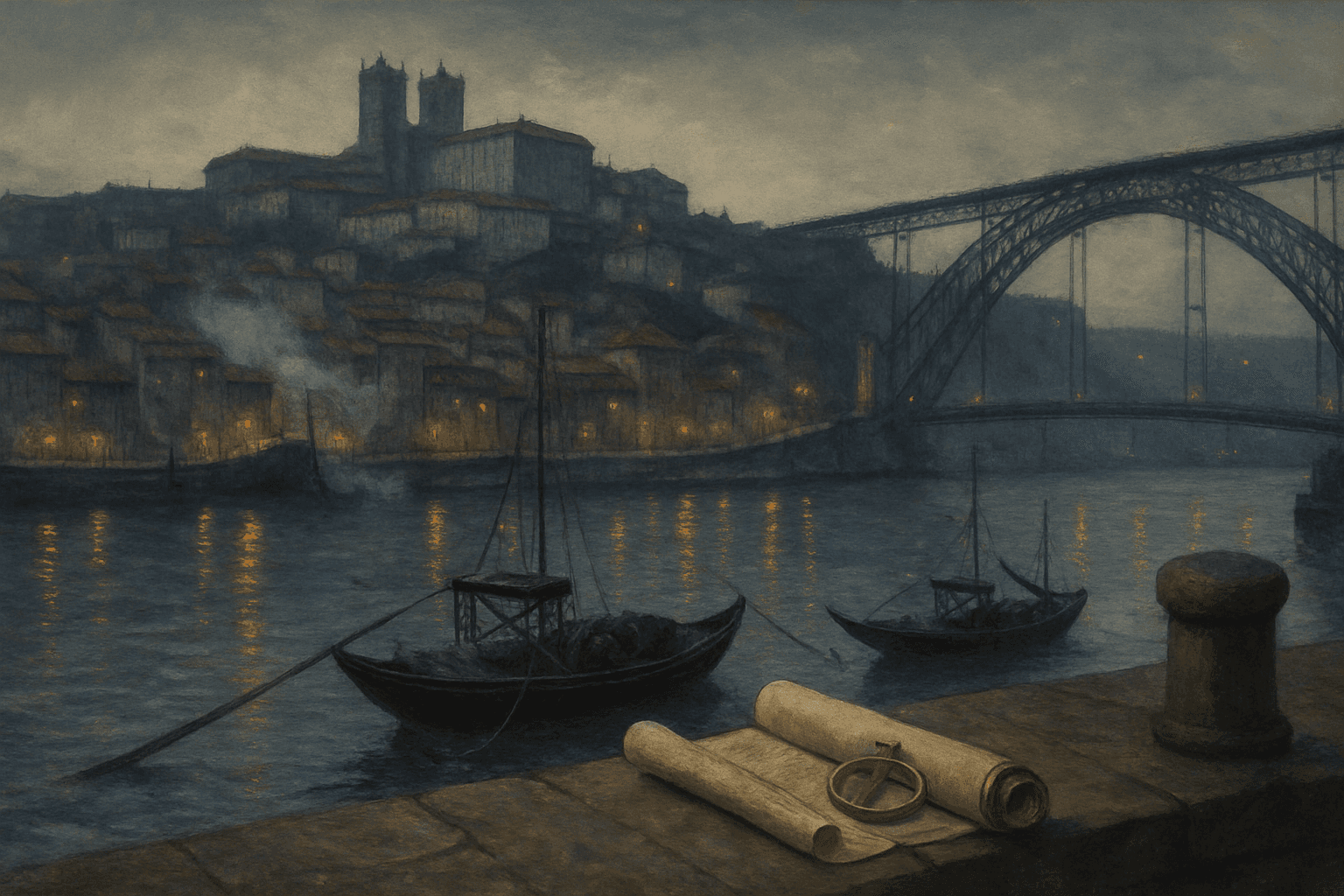
A story walk that drops from the bookshops of Carmelitas down through the Baixa to the Douro, following the line the city itself follows: paper, granite, iron, wine. The guide is José Marques da Silva, the Porto architect who drew São Bento station and was thrown off the job before it was finished. He talks about what he built, what he envied, and what he learned from a bridge. No puzzles — just look where he tells you to look.
Start here
144 Rua das Carmelitas, Zona Histórica do Porto
Stand on Rua das Carmelitas, on the pavement facing the white-and-blue front of Livraria Lello, with the Clérigos tower behind your right shoulder.
DirectionsBest from stop 1 — the story is told in order. Tap Start here on any stop to begin there instead; the guide will catch you up.
Livraria Lello
The 1906 bookshop on Rua das Carmelitas, built for the Lello brothers and rated among the finest in the world.
Museu dos Clérigos
The museum at the foot of the Clérigos tower, Porto's great baroque landmark and its highest view.
Monument to Pedro IV
“Dom Pedro IV in Liberdade Square”
The equestrian monument to King Pedro IV at the head of Liberdade Square, where the lower town opens out.
São Bento railway station
Porto's Beaux-Arts central station, built on the site of a burnt Benedictine convent and lined with Jorge Colaço's azulejos.
Companhia de Seguros Douro
“The Insurance Tiles on Rua Chã”
A tiled plaque on Rua Chã listing the old Porto insurance houses that owned the building.
Casa da Rua de D. Hugo
“Arqueossítio da Rua de Dom Hugo”
An excavated house site beneath the cathedral hill, showing layers of Porto beneath the street.
Porto Cathedral
The fortress-like Romanesque Sé, begun in the 12th century and altered for six hundred years afterwards.
Dom Luís I Bridge
The double-deck iron bridge of 1886, whose 172-metre span was then the longest of its type in the world.
Vila Nova de Gaia
The far bank of the Douro, its hillside packed with the cellars where port wine is aged.
The walk passes these without stopping. Add one and the route bends to take it in — the guide has nothing to say about them, so you are on your own there.
He designed São Bento railway station, worked in Porto all his life, and watched the Douro bridges and the Baixa change around the station he was removed from in 1909.

1869–1947
José Marques da Silva (1869–1947) was a Porto architect trained in the French Beaux-Arts tradition. In 1897 he presented his first concept for a central station on the site of the demolished Benedictine convent of São Bento da Avé Maria; he received the contract in 1899, construction began in 1904, and the cornerstone was laid by King Carlos I. The city was dissatisfied with the progress of the work and removed him from the project in 1909, though the station and its decoration took thirteen years in all to complete. The great azulejo panels that made the building famous — some twenty thousand tiles — were designed and painted by Jorge Colaço between 1905 and 1916.
5.0 from 1 player
Christine
Sep 17, 2026
Great stories