
City walk · Medina, Marrakesh · Morocco
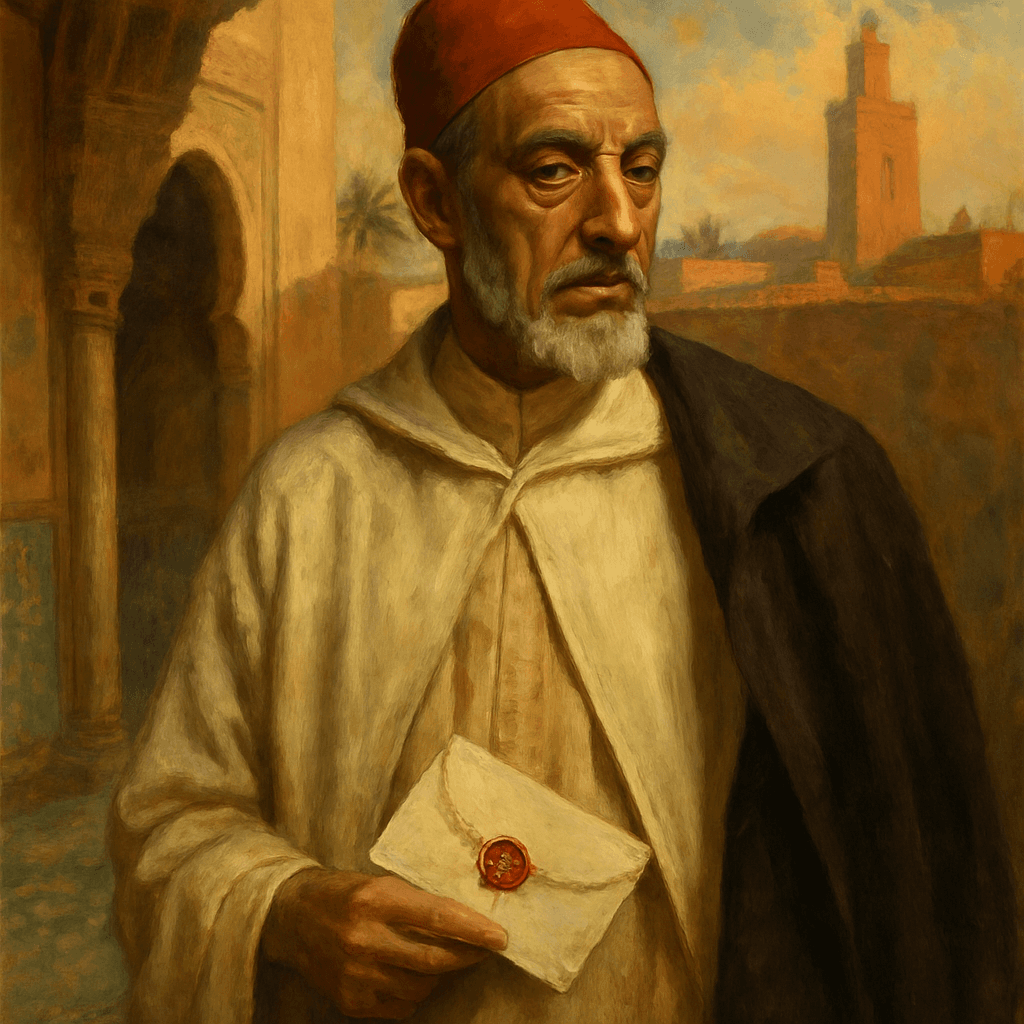
c.1841–1900 · a real person
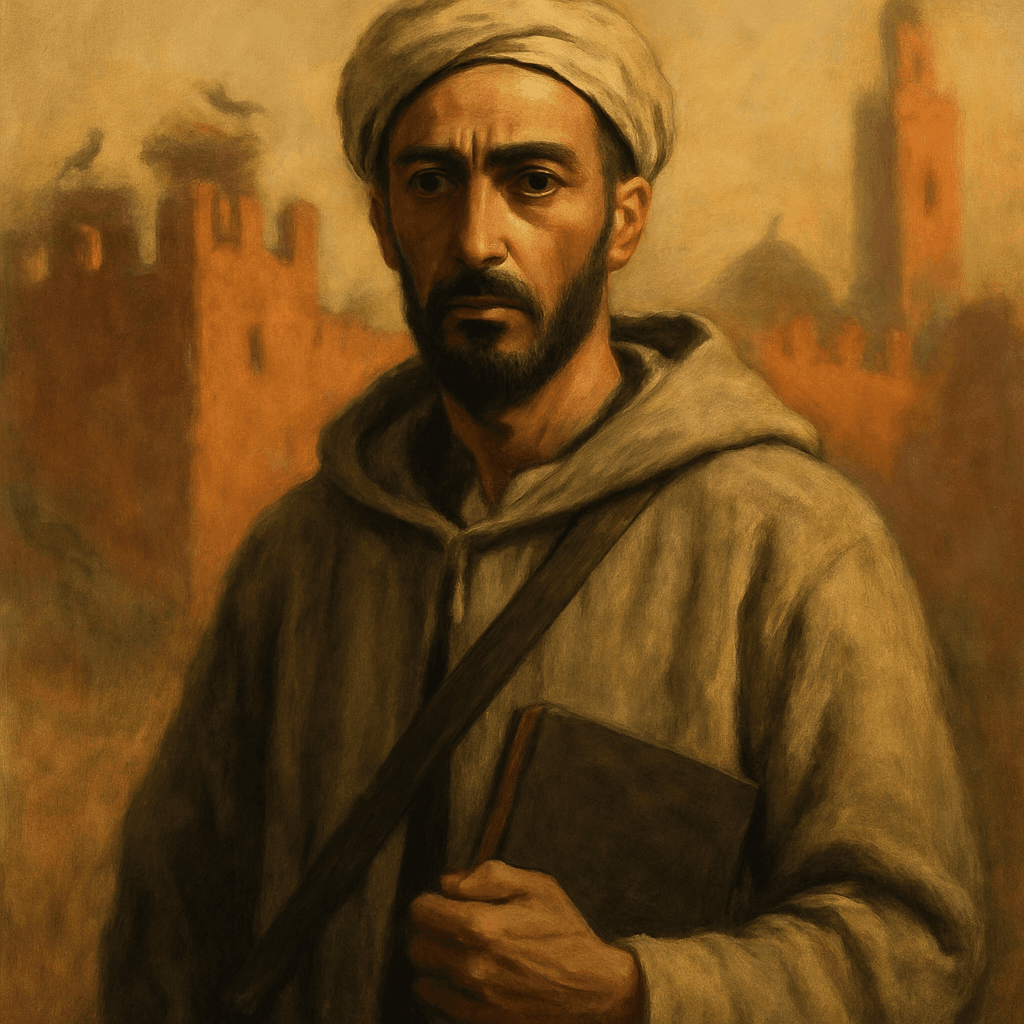
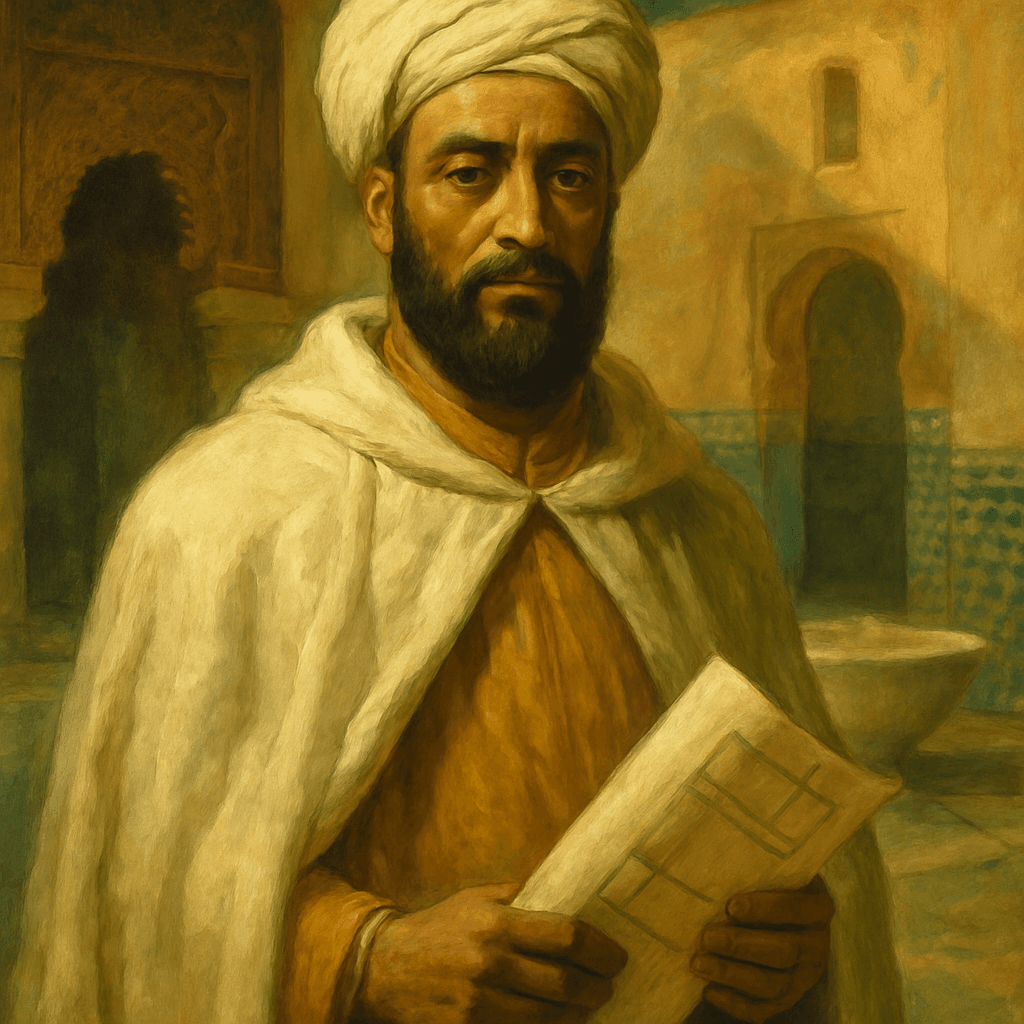
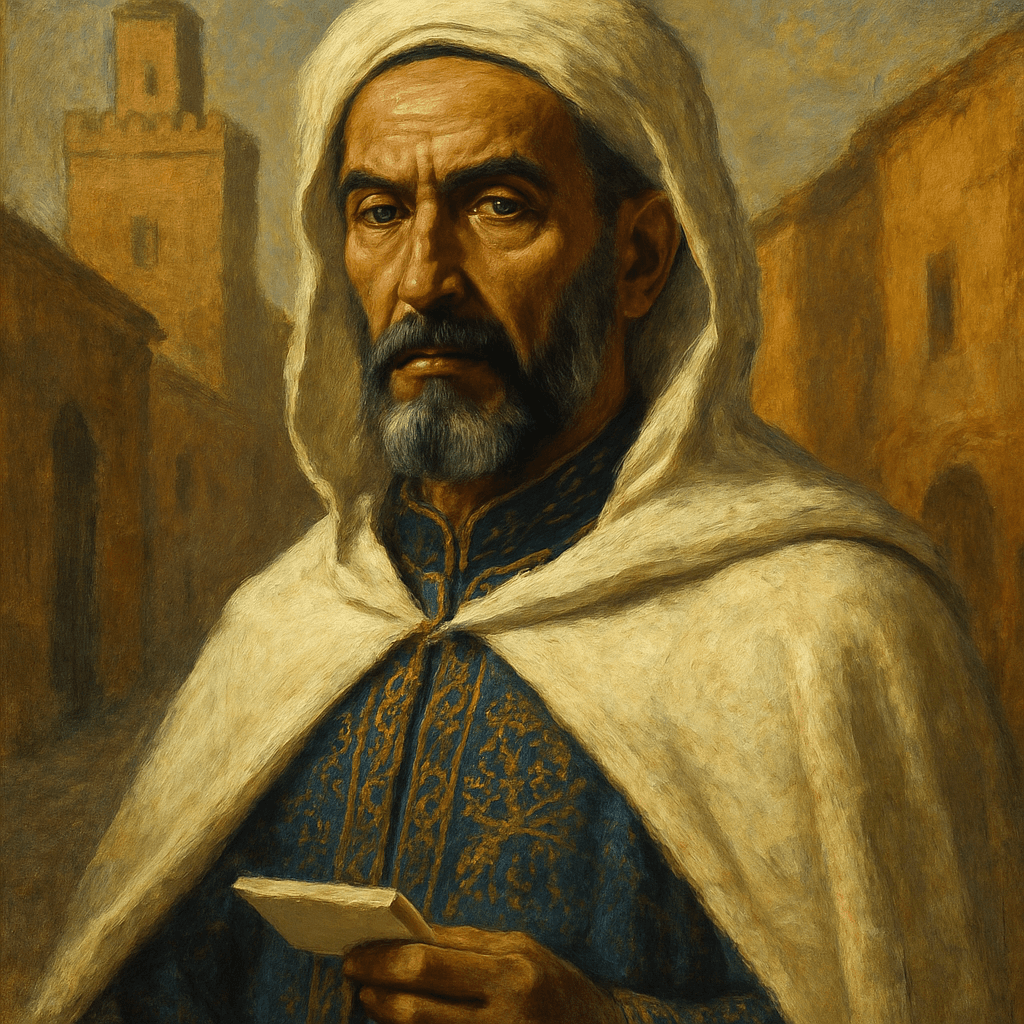
an old, silk-voiced vizier of 1900 — courteous, proud, watchful, and quietly aware that everything he built will be taken
They call me Ba Ahmed. My father was vizier before me, and when the old sultan died I carried a boy sultan on my shoulders and ruled this city in his name. I am telling you this while I can still be heard, because in a few months I will be dead and my house will be emptied by men who bowed to me on Friday. Walk with me — square, lane, palace, minaret, garden — and I will show you my Marrakesh in the order I loved it. Keep a word from each place; at the end I will tell you what they were really for.
You’re walking this one before anyone at Walk & Tell has. If something looks wrong, tap Report at any stop — we’ll fix it for everyone after you.
Marrakesh belonged, for six years, to a man who was never sultan: Ba Ahmed ibn Musa, grand vizier and regent, who poured a fortune into a palace he called The Brilliant. This walk follows him from the great square through the lanes of Riad Zitoun to his own courtyards, then west to the minaret that has watched every ruler come and go, and out to the old royal garden. No puzzles — just his voice, his grudges and his affections, and the things in front of you that he wants you to notice. It is the best route there is through the medina: souk to palace to minaret to garden, in ninety minutes.
Medina · 8 stops · 2.9 km
about 52 min walking, 32 min listening at the stops — going inside is extra · Tap a stop on the map for a preview.
1 / 6
Start here
Jamaâ el-Fna ساحة جامع الفنا, Medina ⵎⴷⵉⵏⴰ المدينة
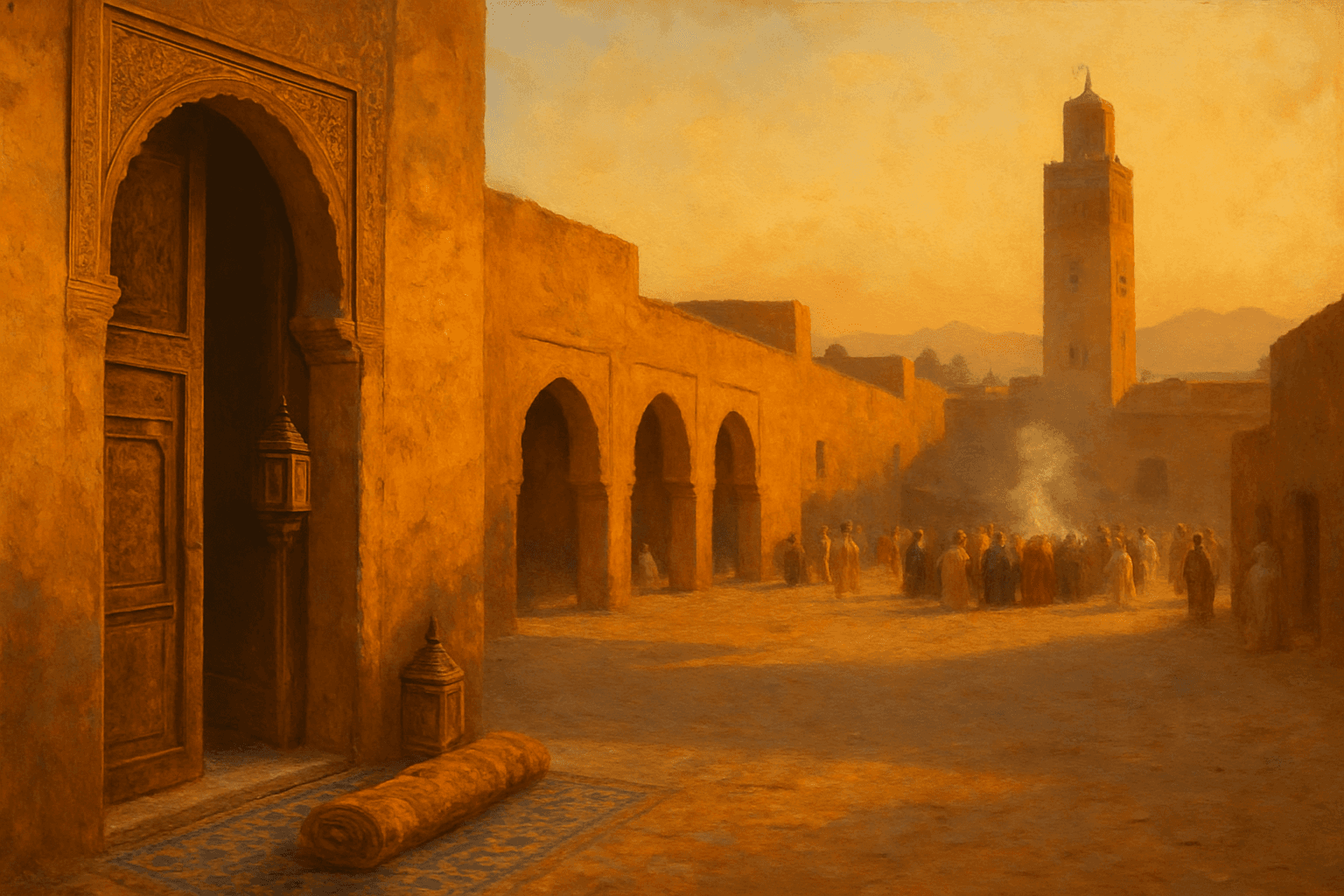
Stand in the middle of Jemaa el-Fnaa, with the Koutoubia minaret away to your right and the orange-juice carts behind you.
Best from stop 1 — the story is told in order. Tap Start here on any stop to begin there instead; the guide will catch you up.
Jemaa el-Fnaa
The main square of the old city, still the beating market and performance ground of Marrakesh.
Place Djemaa el-Fna ساحة جامع الفناء
“The UNESCO Plaque”
A small heritage plaque marking the square as a UNESCO Masterpiece of Oral and Intangible Heritage.
Musée Jamaâ el-Fna du patrimoine immatériel
“The House of Voices”
A two-storey museum on the square devoted to the intangible heritage of Jemaa el-Fnaa.
Dar Si Said
A late 19th-century palace in the Riad Zitoun lanes, now the National Museum of Weaving and Carpets.
Musée Tiskiwin
“Derb El Bahia, No. 8”
A small museum on Derb El Bahia holding decorative arts carried along the Sahara trade routes.
Bahia Palace
“Palais Bahia”
A vast 19th-century palace of around 150 rooms, famous for its painted ceilings, stucco and zellij.
Kutubiyya Mosque
“The Koutoubia Minaret”
The city's largest mosque, founded in 1147, with a 77-metre Almohad minaret that is Marrakesh's chief landmark.
La Mamounia
“The Mamounia Garden”
A famous hotel set in an old royal garden opposite the Koutoubia, host to presidents, film stars and painters.
The walk passes these without stopping. Add one and the route bends to take it in — the guide has nothing to say about them, so you are on your own there.
He expanded the Bahia Palace between 1894 and 1900, his father Si Musa began it, his brother's house Dar Si Said stands two lanes away, and as regent he governed the whole city these stops belong to.
c.1841–1900
Ahmed ibn Musa, known as Ba Ahmed, was grand vizier to the Alawi sultan Moulay Abdelaziz and, from 1894, the effective ruler of Morocco while the sultan was still a boy. His father, Si Musa, had been grand vizier before him and began building the Bahia Palace in Marrakesh in the 1860s; Ba Ahmed enlarged it between 1894 and 1900 into a complex of some 150 rooms around courtyards and riad gardens, famous for its painted wooden ceilings, carved stucco and zellij. His brother Si Said built the nearby palace now known as Dar Si Said, today the National Museum of Weaving and Carpets. Ba Ahmed died in 1900, and his household's possessions were seized soon after.
5.0 from 1 player
Christine
Sep 14, 2026
Great stories