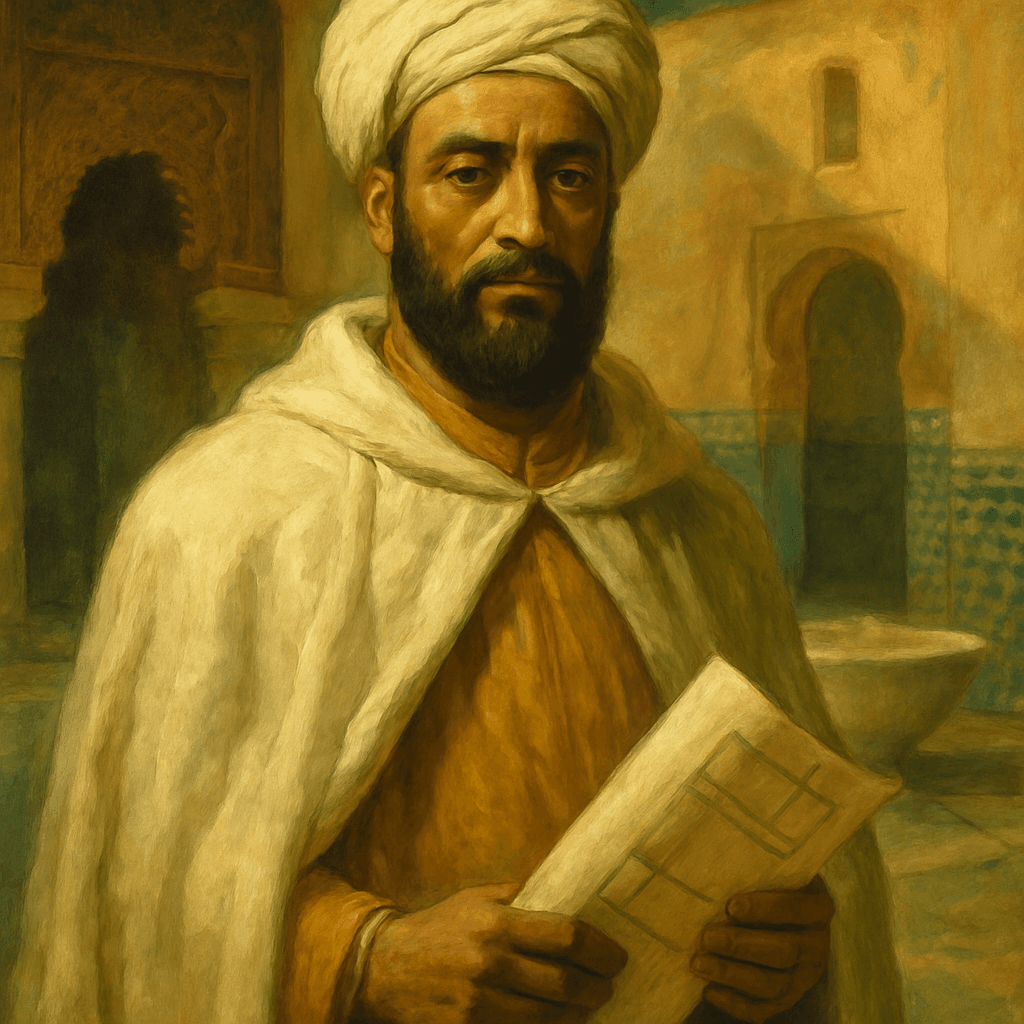

City walk · Medina, Marrakesh · Morocco
c. 1517–1574 · a real person
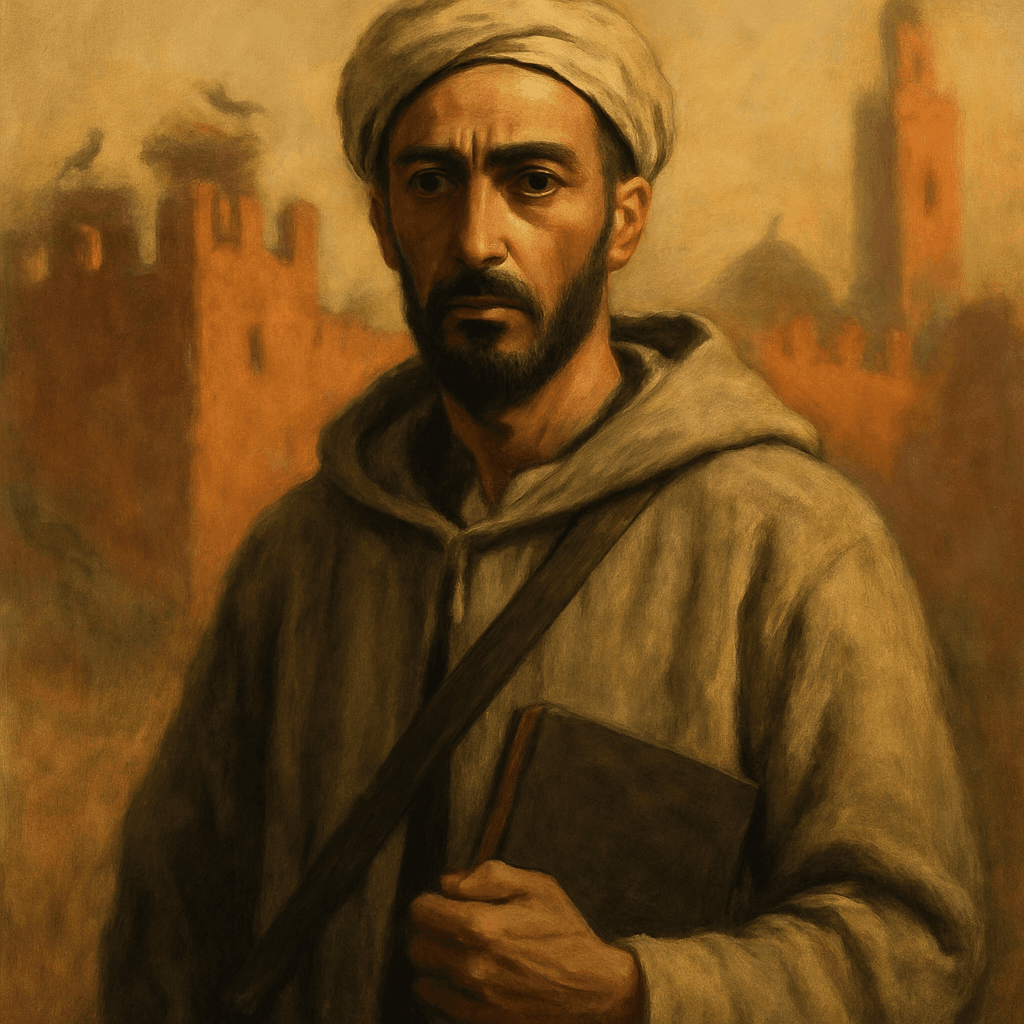
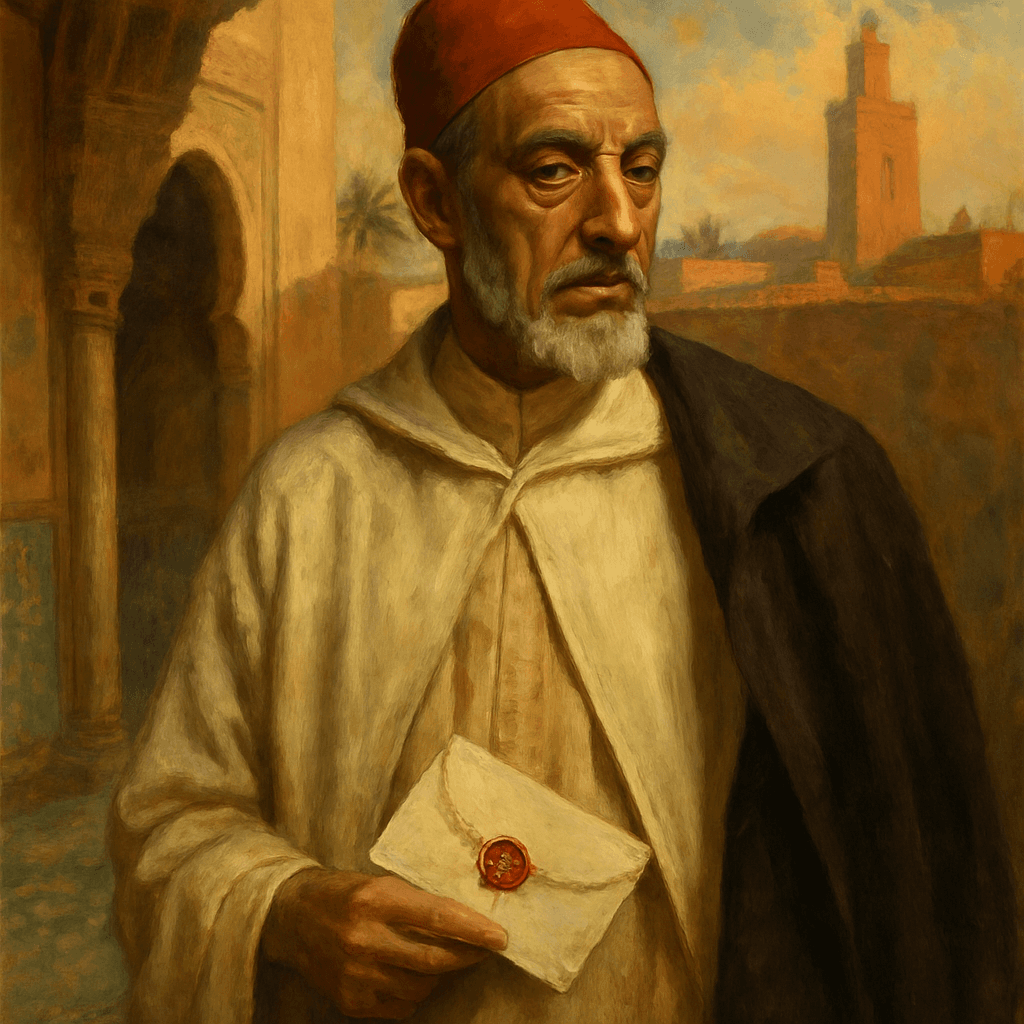
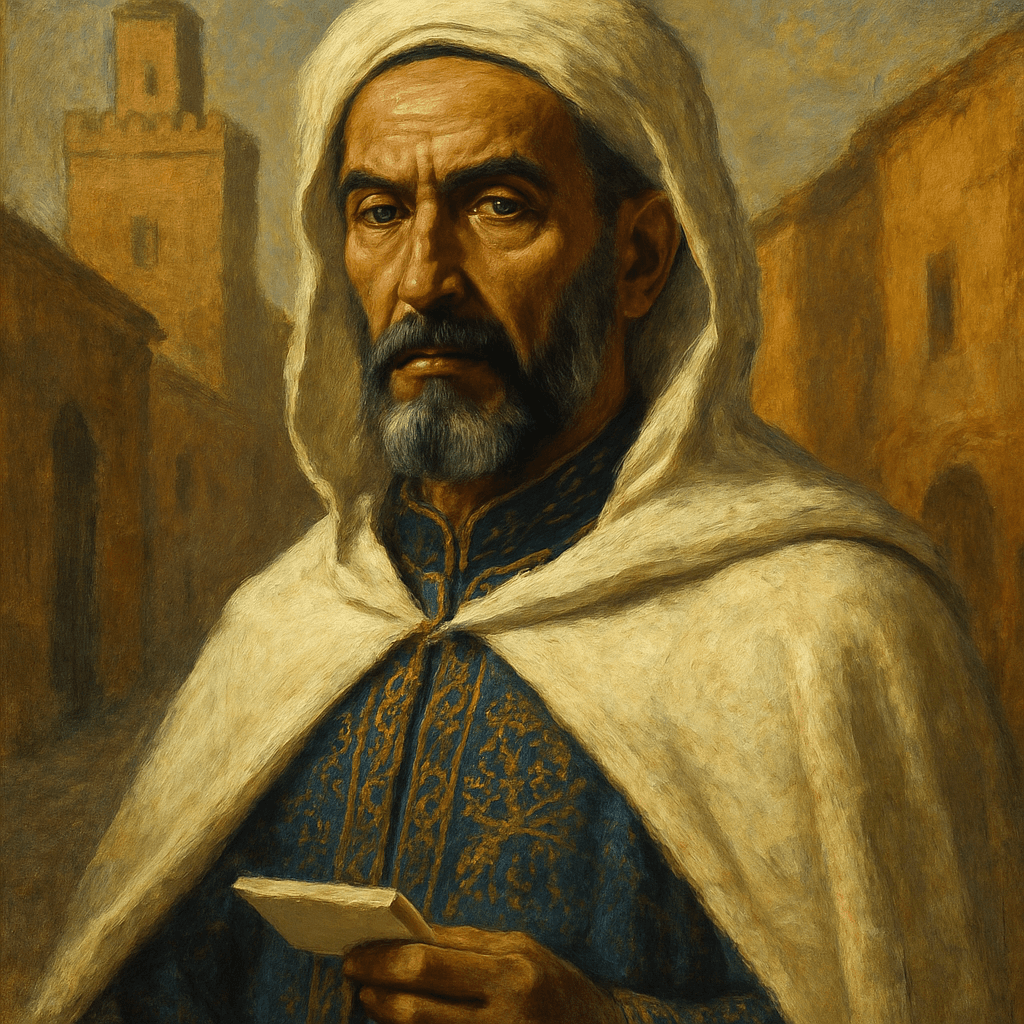
a 16th-century Saadian sultan, courteous and faintly amused, proud of his stonework, quietly anxious about what outlived him
Peace upon you. I am Abdallah al-Ghalib, and four hundred years ago this city obeyed me. I built mosques, a fountain, and a college with a courtyard I still dream about — and then I died, and the world kept walking. I would like to know, before we part, whether anything I made is still loved, or whether only the tower of my enemies is remembered. Walk with me from these orchards to my madrasa, and look where I tell you to look.
Medina · 9 stops · 2.1 km
about 38 min walking, 36 min listening at the stops — going inside is extra · Tap a stop on the map for a preview.
1 / 6
You’re walking this one before anyone at Walk & Tell has. If something looks wrong, tap Report at any stop — we’ll fix it for everyone after you.
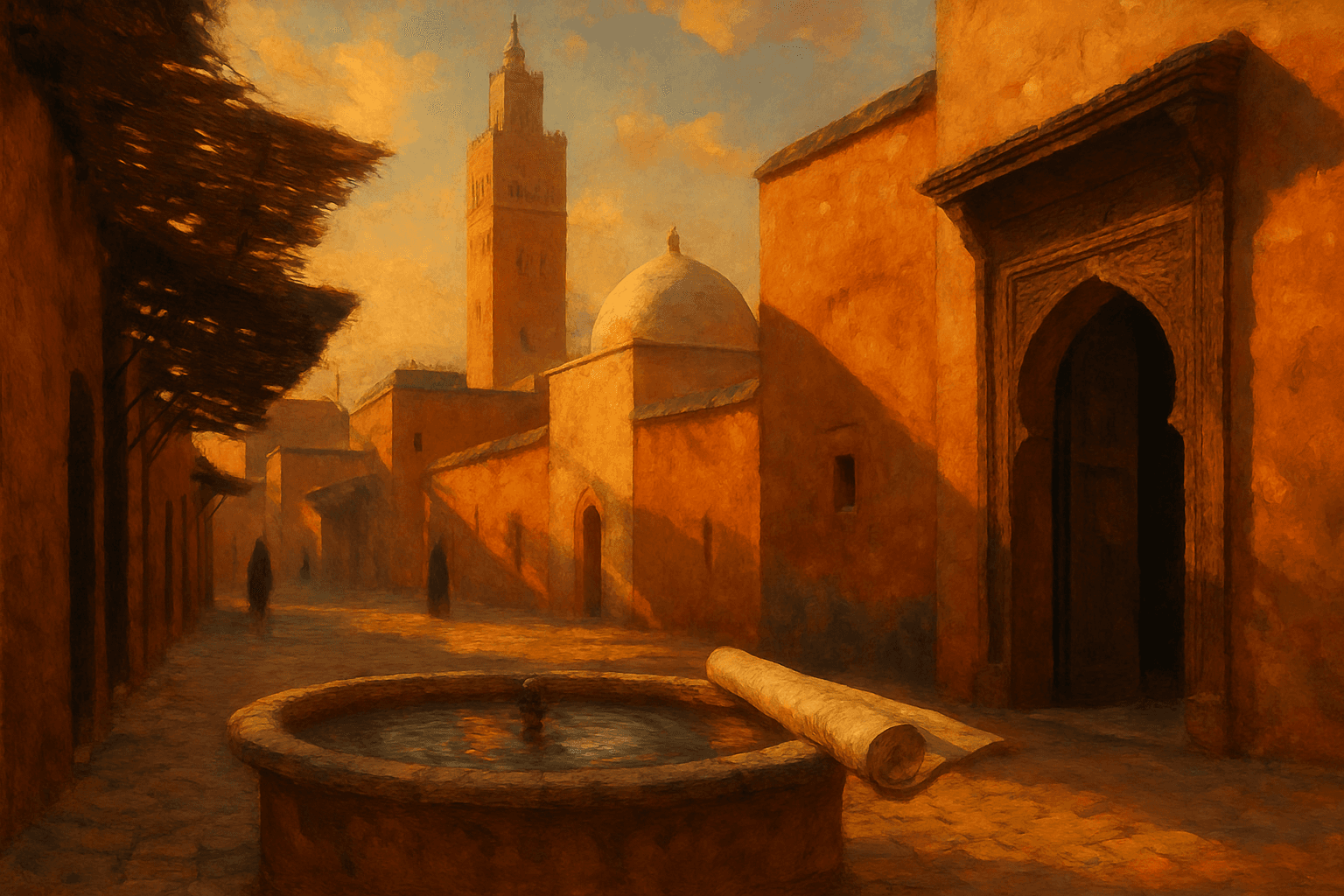
A first-timer's loop through the heart of the Marrakesh medina, told as one continuous story rather than a checklist. You start in the old royal orchards beside La Mamounia, pass the Koutoubia minaret and Jemaa el-Fnaa, then thread the Mouassine lanes north to the Ben Youssef Madrasa. Between the famous sights the walk stops at the small things almost everyone hurries past: a mosque named for a cat, a Saadian merchant's house down a blind alley, a fountain built to water mules and men. No puzzles — just a voice in your ear and things to look at.
Start here
Boulevard El Yarmouk, Medina ⵎⴷⵉⵏⴰ المدينة
Stand on the pavement outside the main gate of La Mamounia on Avenue Bab Jdid, with the hotel's walls and palm gardens on one side and the ramparts on the other. Face north-east, towards the Koutoubia minaret you can already see.
DirectionsBest from stop 1 — the story is told in order. Tap Start here on any stop to begin there instead; the guide will catch you up.
La Mamounia
“The Orchard That Became a Palace”
A celebrated five-star hotel set in old royal gardens at the edge of the medina walls, opposite the Koutoubia.
Kutubiyya Mosque
“My Enemies' Tower”
The 77-metre Almohad minaret of the Koutoubia Mosque, founded in 1147 and the city's defining landmark.
Place Djemaa el-Fna ساحة جامع الفناء
“The Plaque Nobody Reads”
A heritage plaque at the edge of the great square, marking its UNESCO listing as a masterpiece of oral and intangible heritage.
Jemaa el-Fnaa
“Jemaa el-Fnaa at Full Volume”
The main square and marketplace of the medina, still the living centre of Marrakesh for locals and visitors alike.
Mosque of the Cat
“The Mosque of the Cat”
A small historic mosque on Souk Laksour, renovated under the Marinids and known for its richly decorated little minaret.
Dar Cherifa
“A House Down a Blind Alley”
Dar Cherifa, a rare well-preserved late 16th-century Saadian house in the Mouassine quarter, now a café and art gallery.
Mouassine Mosque
“My Own Mosque, and My Fountain”
The 16th-century Friday mosque of the Mouassine quarter, centre of a complex that included a madrasa, hammam, library and public fountain.
Almoravid Qubba
“The Little Dome That Hid”
A small early 12th-century domed monument, the only substantial remnant of Almoravid architecture left in Marrakesh.
Ben Youssef Madrasa
“The Courtyard I Dream About”
The Ben Youssef Madrasa, commissioned in 1564–65 and once the largest Islamic college in the Maghreb.
The walk passes these without stopping. Add one and the route bends to take it in — the guide has nothing to say about them, so you are on your own there.
The Saadian sultan who ordered the Mouassine Mosque and its fountain and commissioned the Ben Youssef Madrasa in 1564–65 — two of the stops on this walk are his own building sites.

c. 1517–1574
Abdallah al-Ghalib was a sultan of the Saadian dynasty who ruled from Marrakesh in the middle of the 16th century, when the city was once again a capital. He ordered the building of the Mouassine Mosque as the Friday mosque of a newly redeveloped neighbourhood, at the centre of a complex that also held a madrasa, a hammam, a library and the Mouassine Fountain. In 1564–65 he commissioned the Ben Youssef Madrasa beside the older Ben Youssef Mosque; it became the largest Islamic college in the Maghreb and is still regarded as a high point of Moroccan architecture. Together with his successor Ahmad al-Mansur, he is credited with covering Marrakesh in sumptuous monuments. He died in 1574.
No reviews yet — be the first to walk it.