City walk · Westminster, City of Westminster · United Kingdom
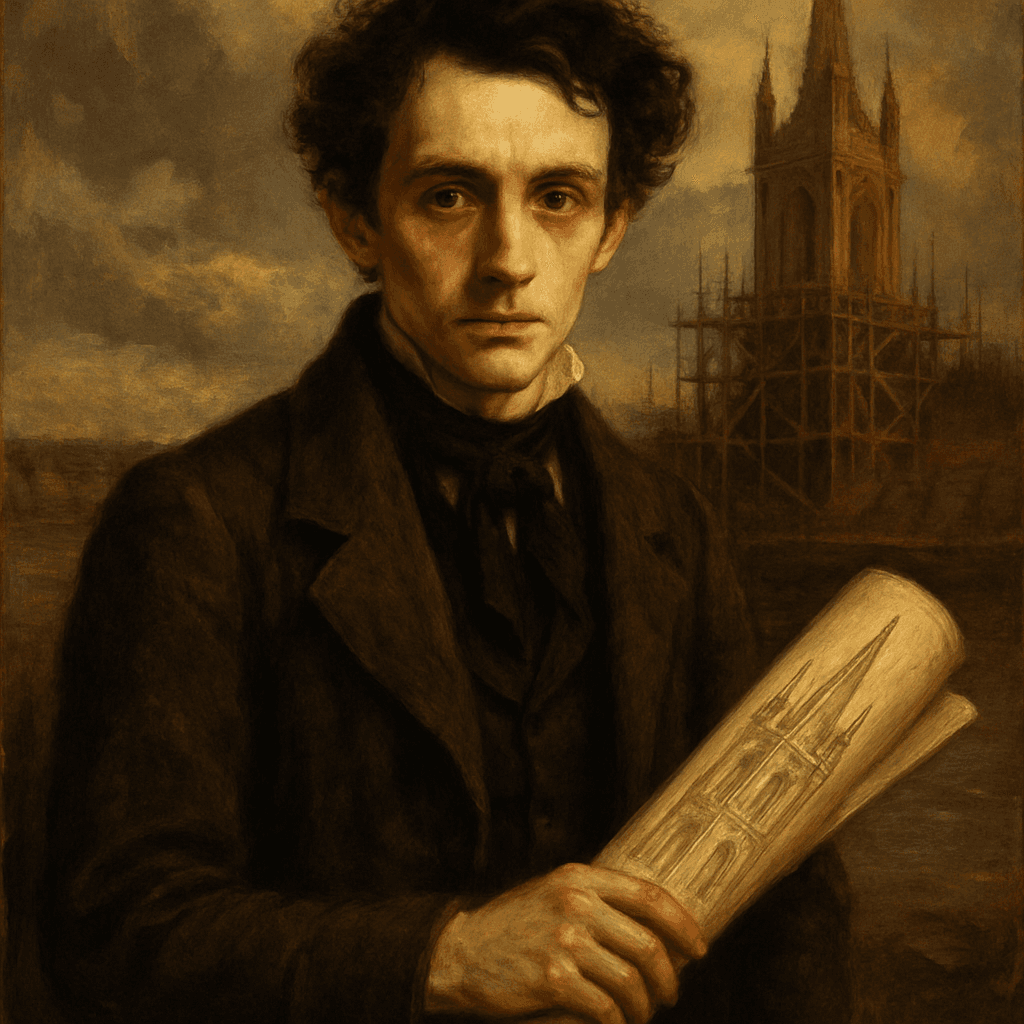
Augustus Pugin
1812–1852 · a real person
a brilliant, exhausted Victorian architect: quick, opinionated, scornful of Greek columns, tender about craftsmen
Read what Augustus Pugin says
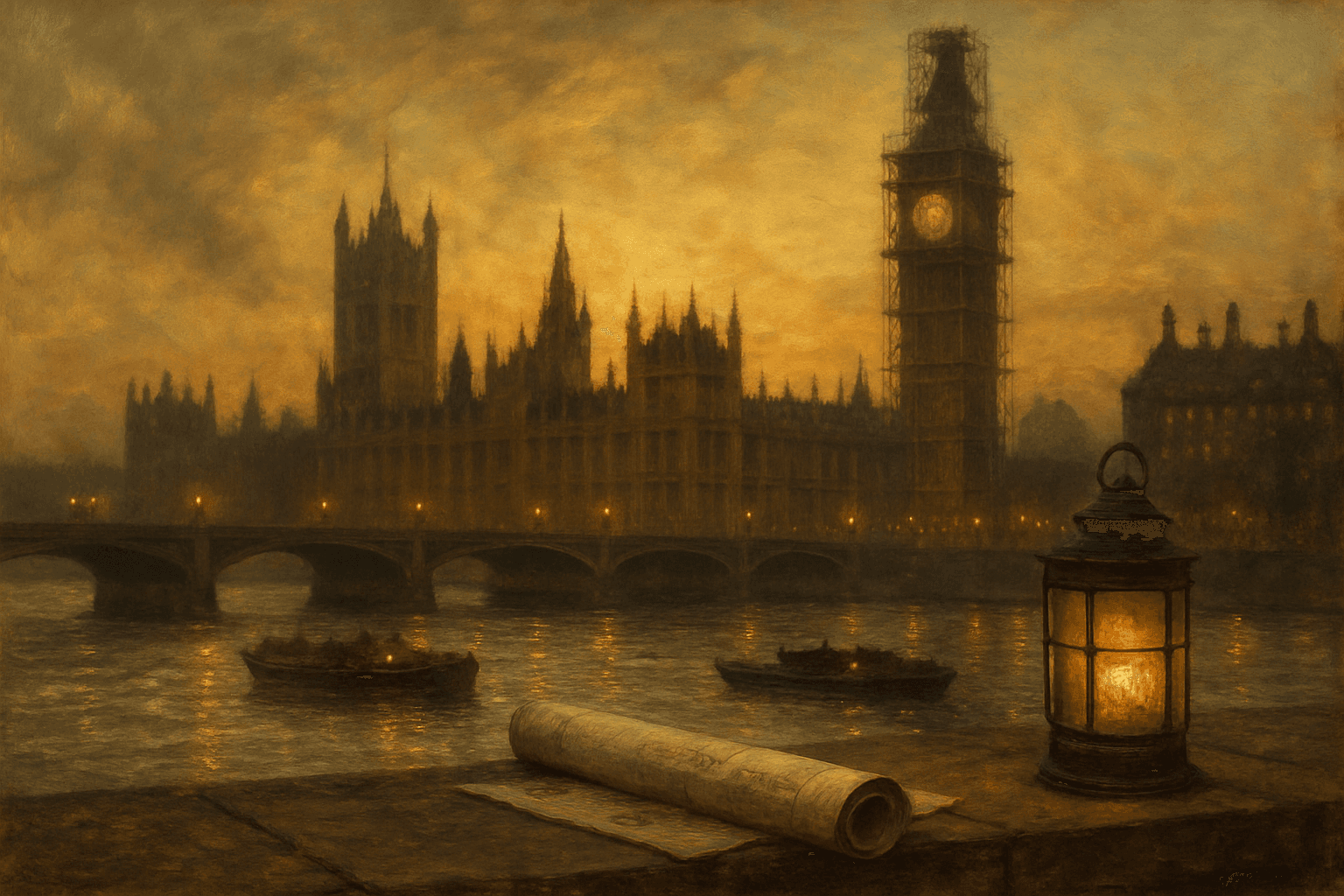
My name is Augustus Pugin. I drew ornament — doorplates, wallpaper, inkstands, and one bell tower that the whole world now photographs. I made those last drawings in 1852 and then my mind gave way, and I never saw the tower finished. So you will see it for me, and we will walk back into the city I argued with all my short life. Keep up; I talk fast.
Westminster · 8 stops · 4.6 km
about 58 min walking, 32 min listening at the stops — going inside is extra · Tap a stop on the map for a preview.
Where it takes you
1 / 6


Best time to walk: Early morning or after 5pm. Parliament Square and the Mall have no shade at midday, and the Abbey and National Gallery are quietest in the first hour.
90 min · 4.6 km · 8 stops · medium
You’re walking this one before anyone at Walk & Tell has. If something looks wrong, tap Report at any stop — we’ll fix it for everyone after you.
Partly shadedBest time to walk: Early morning or after 5pm. Parliament Square and the Mall have no shade at midday, and the Abbey and National Gallery are quietest in the first hour.
The walk
A single line through the heart of Westminster, from the London Eye on the South Bank to the National Gallery, told by the architect who drew the clock tower everyone photographs. It passes Parliament, the Abbey, the park, the Palace and the Mall, and it is as much about stone, money and temper as about kings. Half the walk is alive today: the bridge crowds, the park pelicans, the square where London still argues in public. No puzzles — just a story told stop by stop.
Start here
The Queen's Walk, Waterloo
Begin on the riverside walkway at the foot of the London Eye, on the South Bank, with the river and Parliament across the water.
Directions