Town walk · Ubud, Ubud District · Indonesia
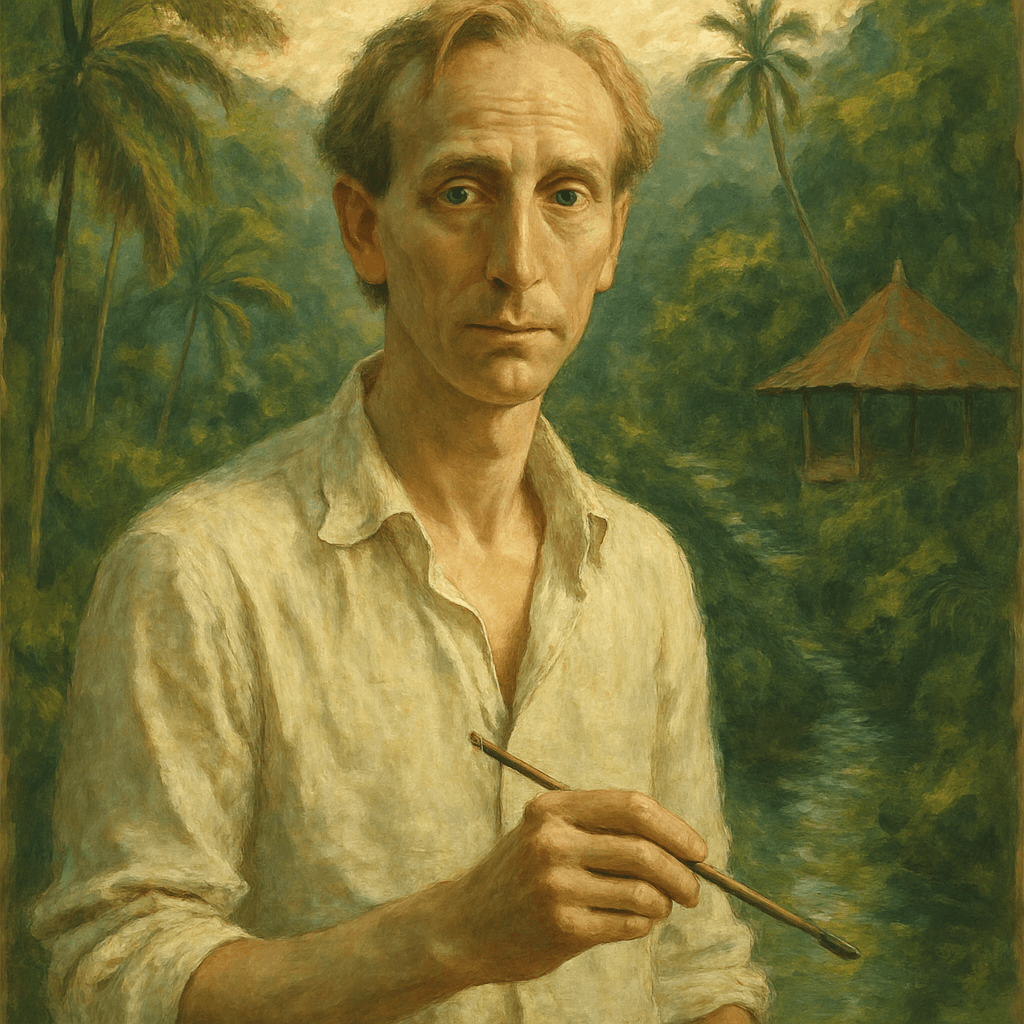
Walter Spies
1895–1942 · a real person
a German painter of the 1930s in Bali: curious, courteous, self-mocking, in love with the valley and uneasy about what he started
Read what Walter Spies says
My name is Walter Spies. I came from Moscow and Dresden, and I stopped in this valley in 1927 and never truly left it. People call me the man who made Bali famous, and some days that sounds like an accusation. Walk with me from the forest in the south, past the palace of the princes who kept me, up to the river where my house stood. Nothing to solve today. Only to listen, and to look.
Ubud · 8 stops · 3.6 km
about 46 min walking, 32 min listening at the stops — going inside is extra · Tap a stop on the map for a preview.
Where it takes you
1 / 6


Best time to walk: Early morning or after four. The market is at its best before nine, and the Monkey Forest and museums close around five.
78 min · 3.6 km · 8 stops · medium
You’re walking this one before anyone at Walk & Tell has. If something looks wrong, tap Report at any stop — we’ll fix it for everyone after you.
Partly shadedBest time to walk: Early morning or after four. The market is at its best before nine, and the Monkey Forest and museums close around five.
The walk
A single line through Ubud, from the monkey forest in the south to the river gorge in the west. The guide is Walter Spies, the German painter who settled in Ubud in 1927 and helped change how Balinese art was made and sold. No puzzles: just a story told stop by stop, through a library, a market, the royal palace, a water temple, a museum and a river temple. It ends above the meeting of two rivers, where Spies built his house.
Start here
Jalan Nyuh Bojog, Ubud
Begin at the main entrance of the Ubud Monkey Forest, at the southern end of Jalan Monkey Forest, by the ticket windows.
DirectionsWhere Walter Spies takes you8 stops
Best from stop 1 — the story is told in order. Tap Start here on any stop to begin there instead; the guide will catch you up.
