City walk · Mumbai · India
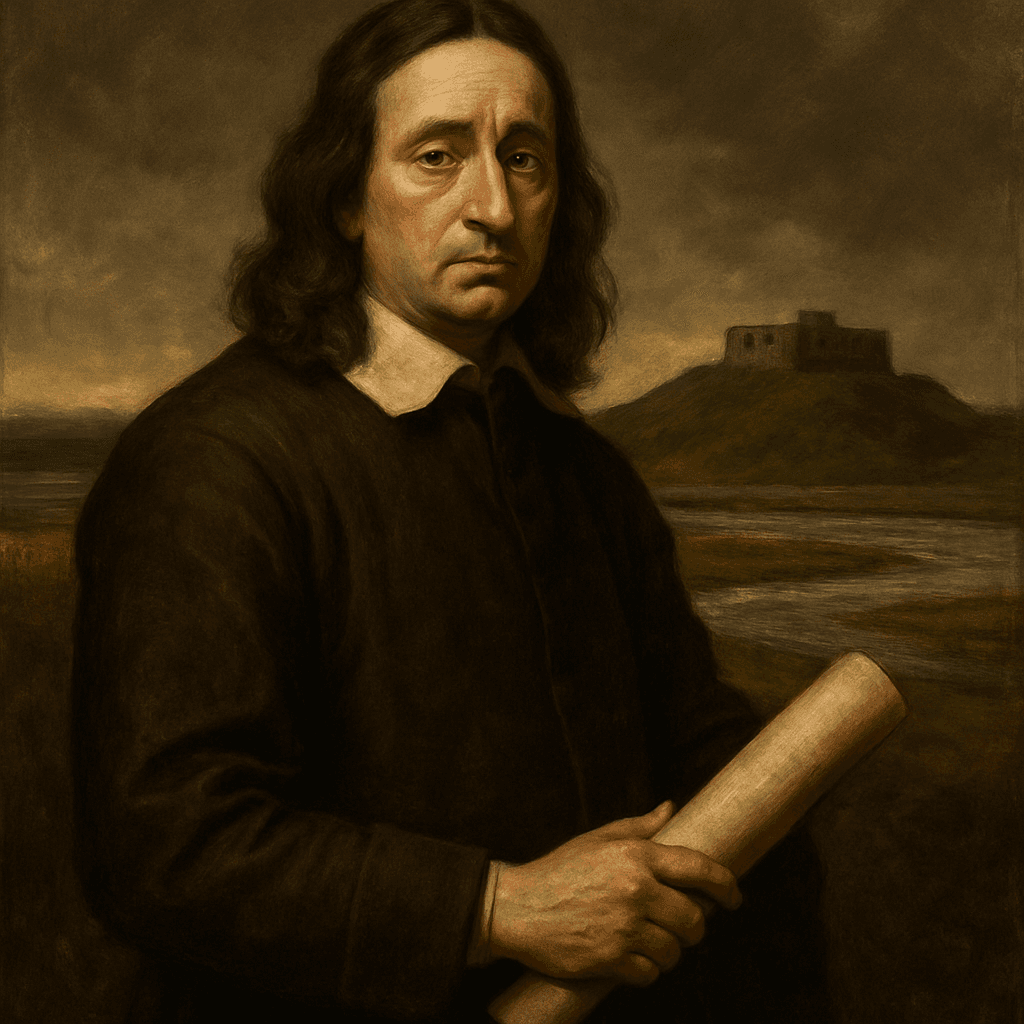
Gerard Aungier
1640–1677 · a real person
a 17th-century English governor, dry and courteous, proud of his accounts, astonished by what his frontier became
Read what Gerard Aungier says
I am Gerard Aungier, and in the 1670s I governed a wet, unprofitable set of islands called Bombay. I drew a line across the north of it, against the Portuguese across the water, and I built forts on the hillocks to hold it. I have come back to walk that line with you, and I find it does not divide countries any more — it divides two kinds of wealth. Walk it with me, from the cloth sellers to the fountains, and I will tell you what I meant and what it became.
Mumbai · 8 stops · 4.8 km
about 160 min walking, 36 min listening at the stops — going inside is extra · Tap a stop on the map for a preview.
Where it takes you
1 / 2


Best time to walk: Early morning or after 5pm. Gandhi Market is busiest and best in the evening; the Nature Park keeps daytime hours and is closed on some Mondays, so check before you set out.
3¼ h · 4.8 km · 8 stops · medium
You’re walking this one before anyone at Walk & Tell has. If something looks wrong, tap Report at any stop — we’ll fix it for everyone after you.
Partly shadedBest time to walk: Early morning or after 5pm. Gandhi Market is busiest and best in the evening; the Nature Park keeps daytime hours and is closed on some Mondays, so check before you set out.
The walk
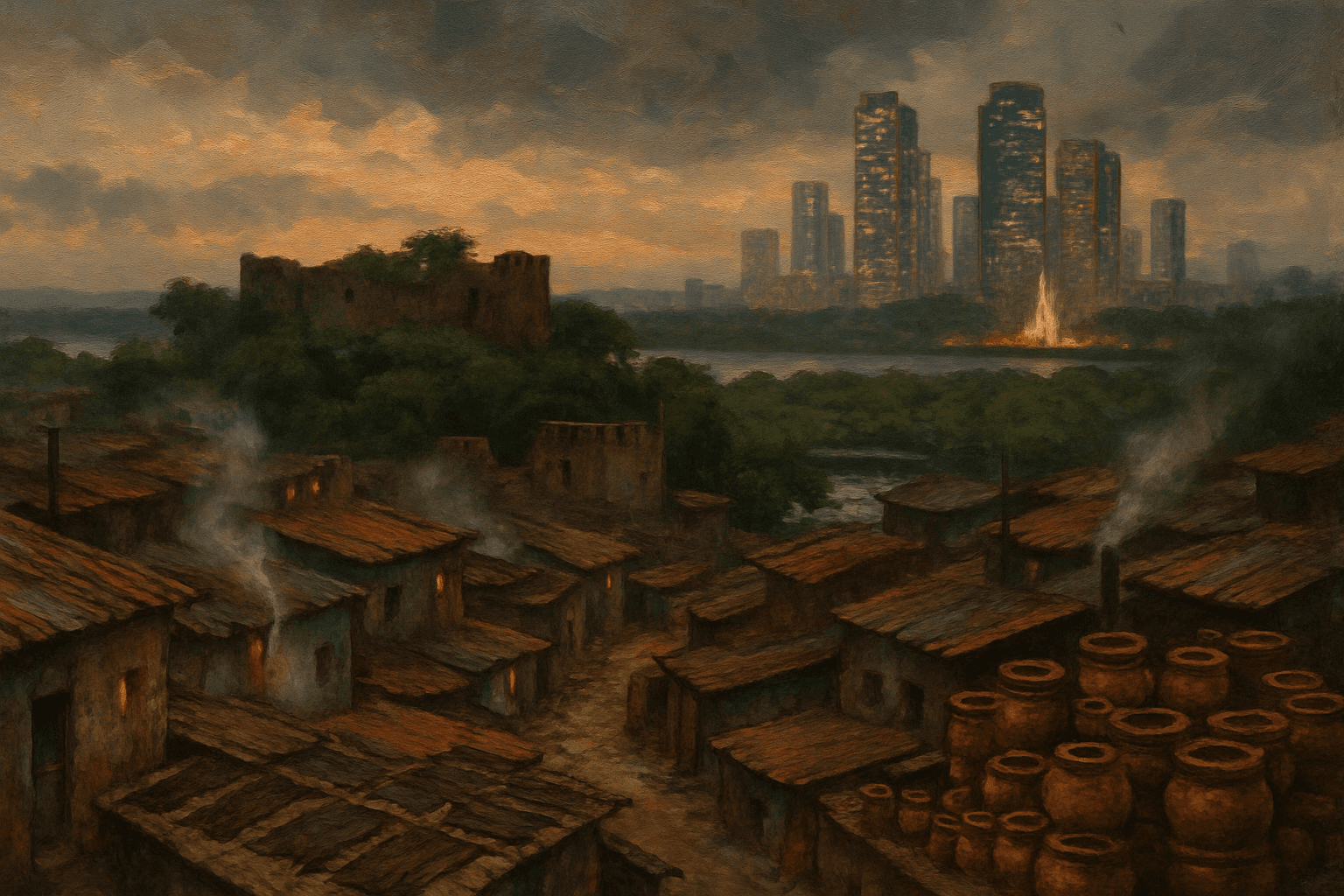
This is a walk along an old edge of Bombay: the creek line where English territory stopped and the Portuguese lands began. Today that same line runs from the tailors of Gandhi Market, through Dharavi's leather workshops and tanneries, past a broken fort and a mangrove park, into the glass offices of the Bandra-Kurla Complex. Gerard Aungier, the governor who fortified this frontier in the 1670s, tells the story of what his boundary became. There are no puzzles: only walking, looking, and listening.
Start here
Laxmibai Kelkar Marg, Guru Tegh Bahadur Nagar
Start at Gandhi Market in Sion, on the pavement by the clothes and fabric stalls near the market entrance. Face the stalls with the traffic behind you.
Directions