City walk · Milan · Italy
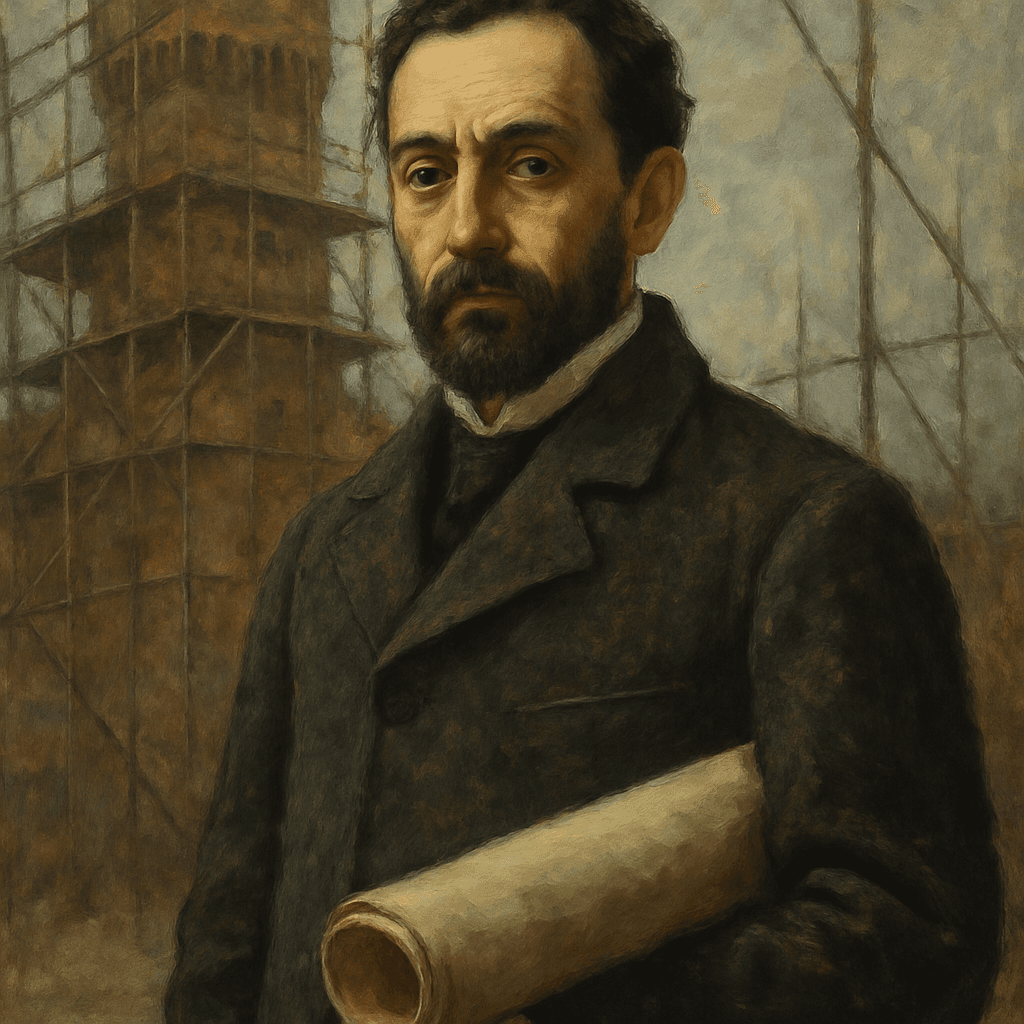
Luca Beltrami
1854–1933 · a real person
a stubborn, dry, affectionate Milanese architect of 1900, covered in brick dust, arguing with the city he loves
Read what Luca Beltrami says
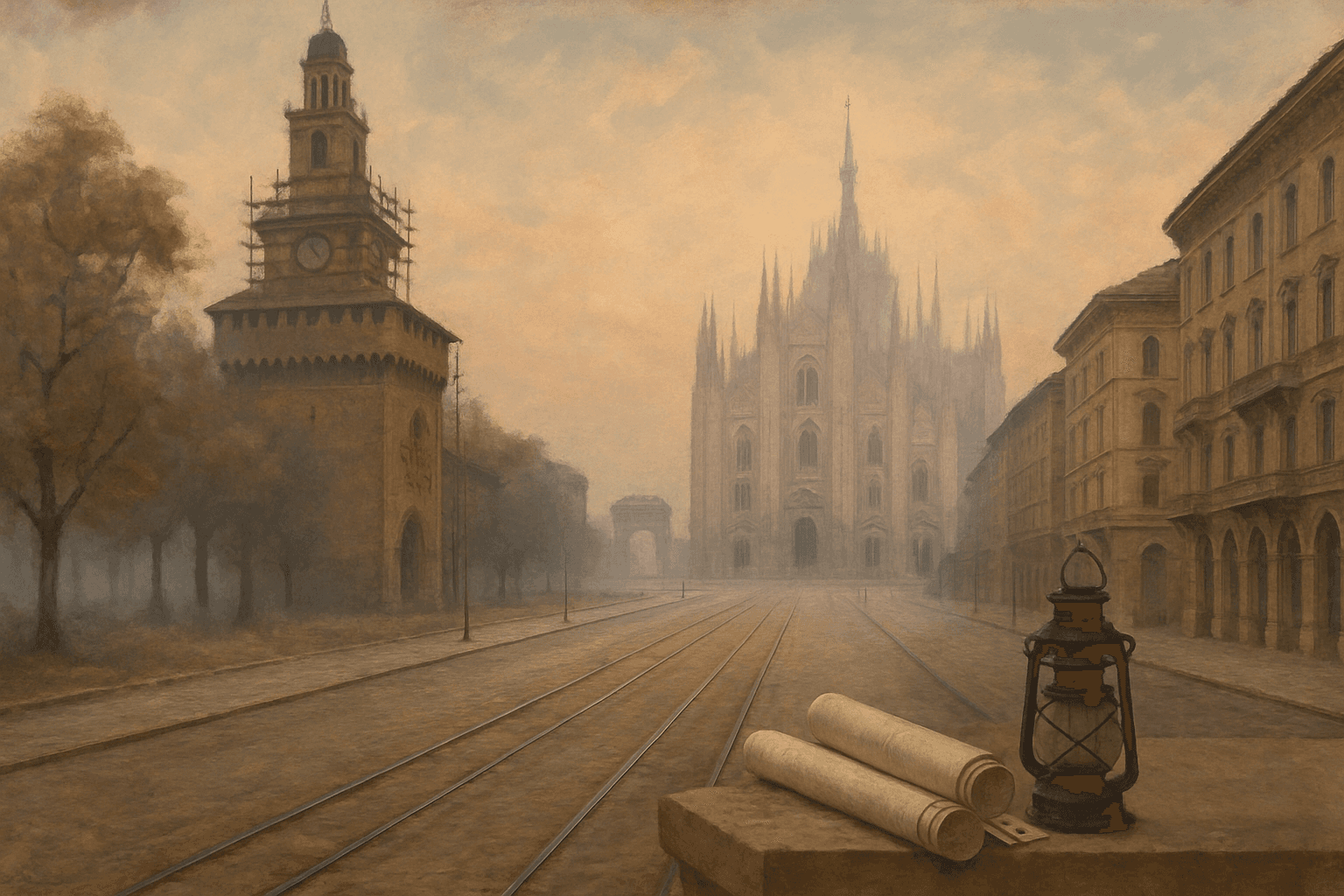
My name is Luca Beltrami. I am an architect, and half of what you will see today passed through my hands or my quarrels. Milan pulled its own walls down for a century and then asked me to put one castle back. Walk with me from Leonardo's wall to the cathedral, and I will tell you what was lost along the way, and what I invented to replace it. Nothing here needs solving — only looking.
Milan · 8 stops · 4.3 km
about 52 min walking, 38 min listening at the stops — going inside is extra · Tap a stop on the map for a preview.
Where it takes you
1 / 6


Best time to walk: Morning or after five. The Last Supper needs a ticket booked weeks ahead; the park and the arch have little shade at midday, and Brera is closed on Mondays.
90 min · 4.3 km · 8 stops · medium
You’re walking this one before anyone at Walk & Tell has. If something looks wrong, tap Report at any stop — we’ll fix it for everyone after you.
Partly shadedBest time to walk: Morning or after five. The Last Supper needs a ticket booked weeks ahead; the park and the arch have little shade at midday, and Brera is closed on Mondays.
The walk
A straight line across central Milan, from Leonardo's refectory wall to the cathedral square, told by the architect who put the Sforza Castle back together. It is a story walk: no puzzles, just a chapter at each stop and something to notice with your own eyes. You pass a Napoleonic arch, the city's big park, a castle gate, the Brera courtyard, an opera square and the glass arcade. Milan is a working city, and half these places are still full of people going about their day.
Start here
Piazza Santa Maria delle Grazie, Municipio 1
Stand in the small square in front of the brick church of Santa Maria delle Grazie, facing its façade, with the dome on your right.
Directions