Town walk · Meknes · Morocco
Moulay Ismail
1645–1727 · a real person
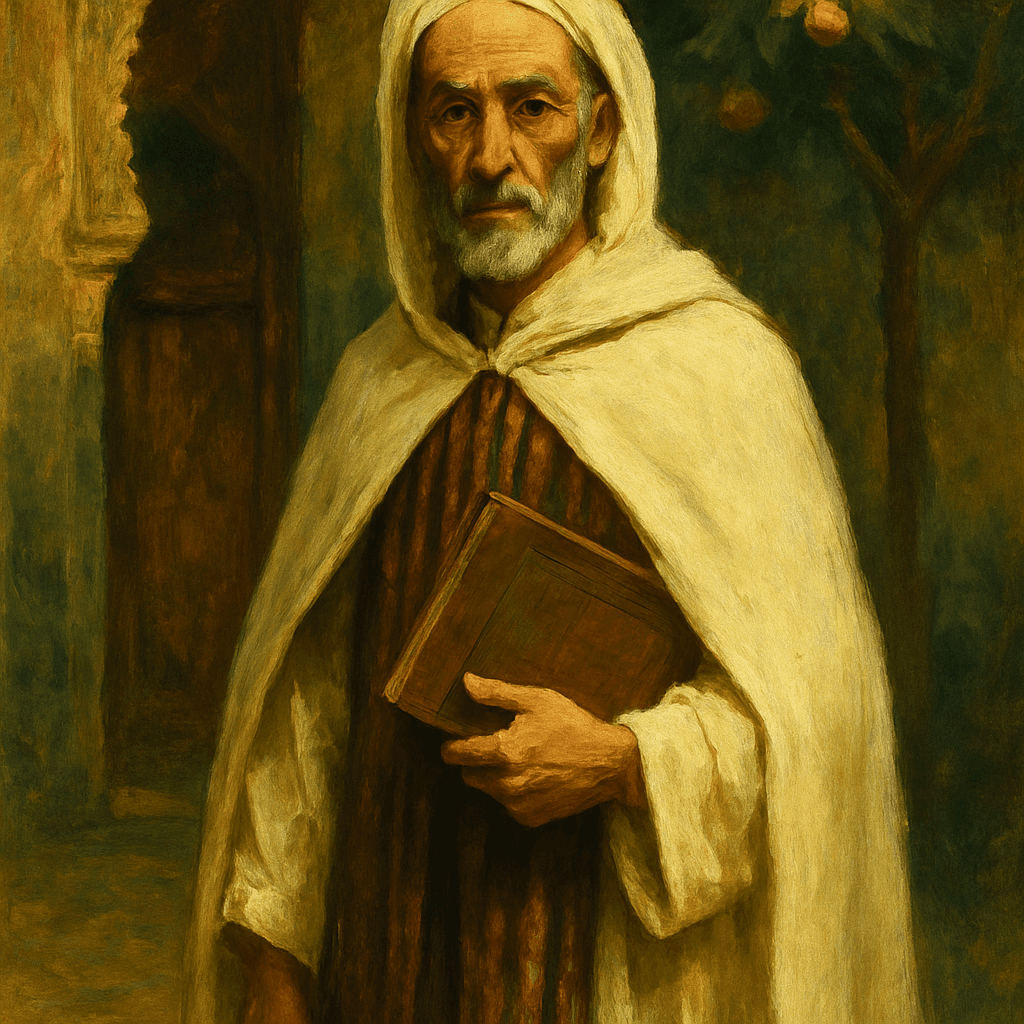
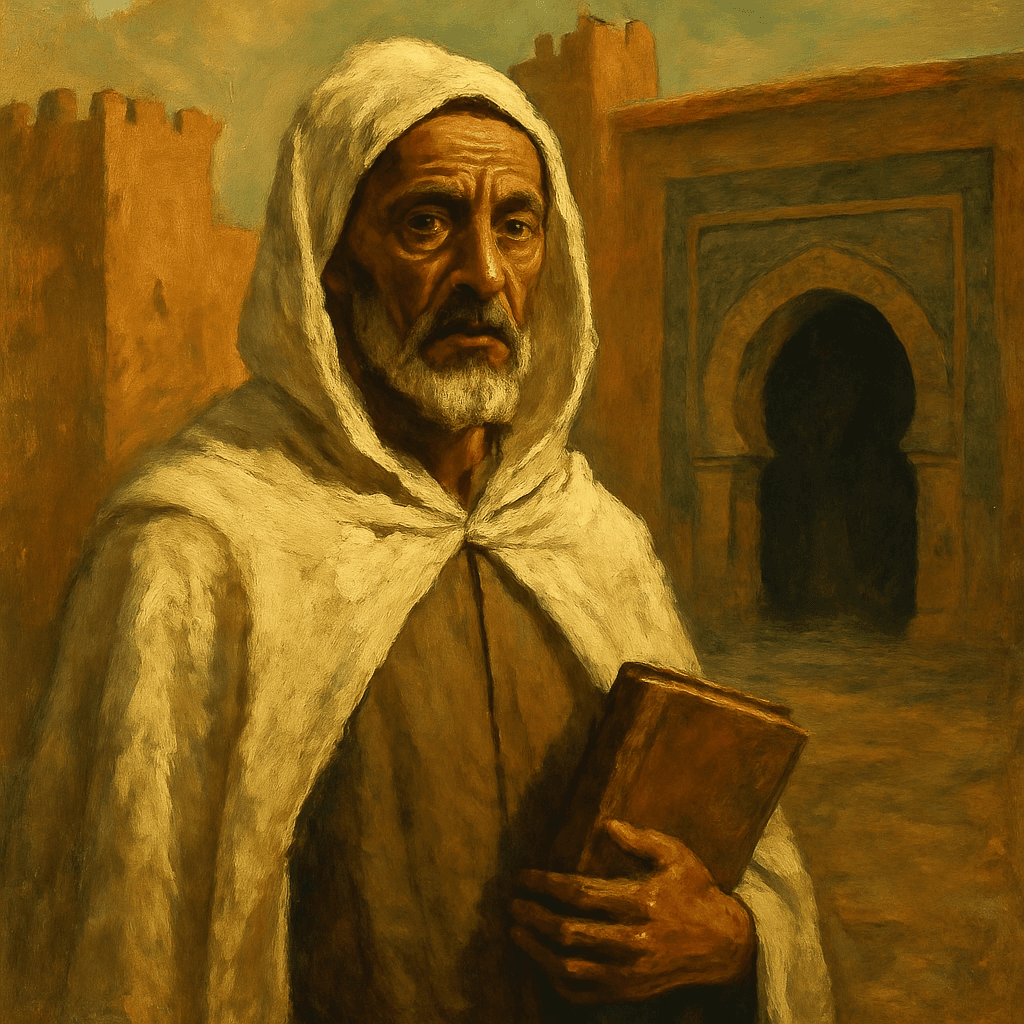
an old sultan, imperious and impatient, softening into tenderness when he speaks of walls and water
Read what Moulay Ismail says
I am Ismail, son of Sharif, and this city was my idea. I took a provincial town and spent fifty-five years making it a capital of gates, walls and granaries. Men still argue about what it cost, and they are right to argue. Walk with me from my northern gate to my own tomb, then out into the square made from the rubble of houses I pulled down. I will show you what I built, and what I broke.
Meknes · 8 stops · 2.3 km
about 56 min walking, 38 min listening at the stops — going inside is extra · Tap a stop on the map for a preview.
Where it takes you
1 / 5


Best time to walk: Early morning or after 5pm. Place el-Hedim has no shade at midday; the mausoleum closes to visitors at prayer times, and Dar Jamai Museum shuts in the late afternoon — check before you set out.
45 min · 2.3 km · 8 stops · medium
You’re walking this one before anyone at Walk & Tell has. If something looks wrong, tap Report at any stop — we’ll fix it for everyone after you.
Partly shadedBest time to walk: Early morning or after 5pm. Place el-Hedim has no shade at midday; the mausoleum closes to visitors at prayer times, and Dar Jamai Museum shuts in the late afternoon — check before you set out.
The walk
A story walk through the imperial heart of Meknes, from the walls of the kasbah to the great square and the medina behind it. The narrator is Moulay Ismail, the sultan who made this city his capital and filled it with gates, granaries and prisons. There are no puzzles here — only a route, a voice, and things to notice with your own eyes. It ends among the looms and cedar ceilings of a nineteenth-century palace that he never saw.
Start here
Avenue Rouamzine, Qobbat Souk قبة السوق
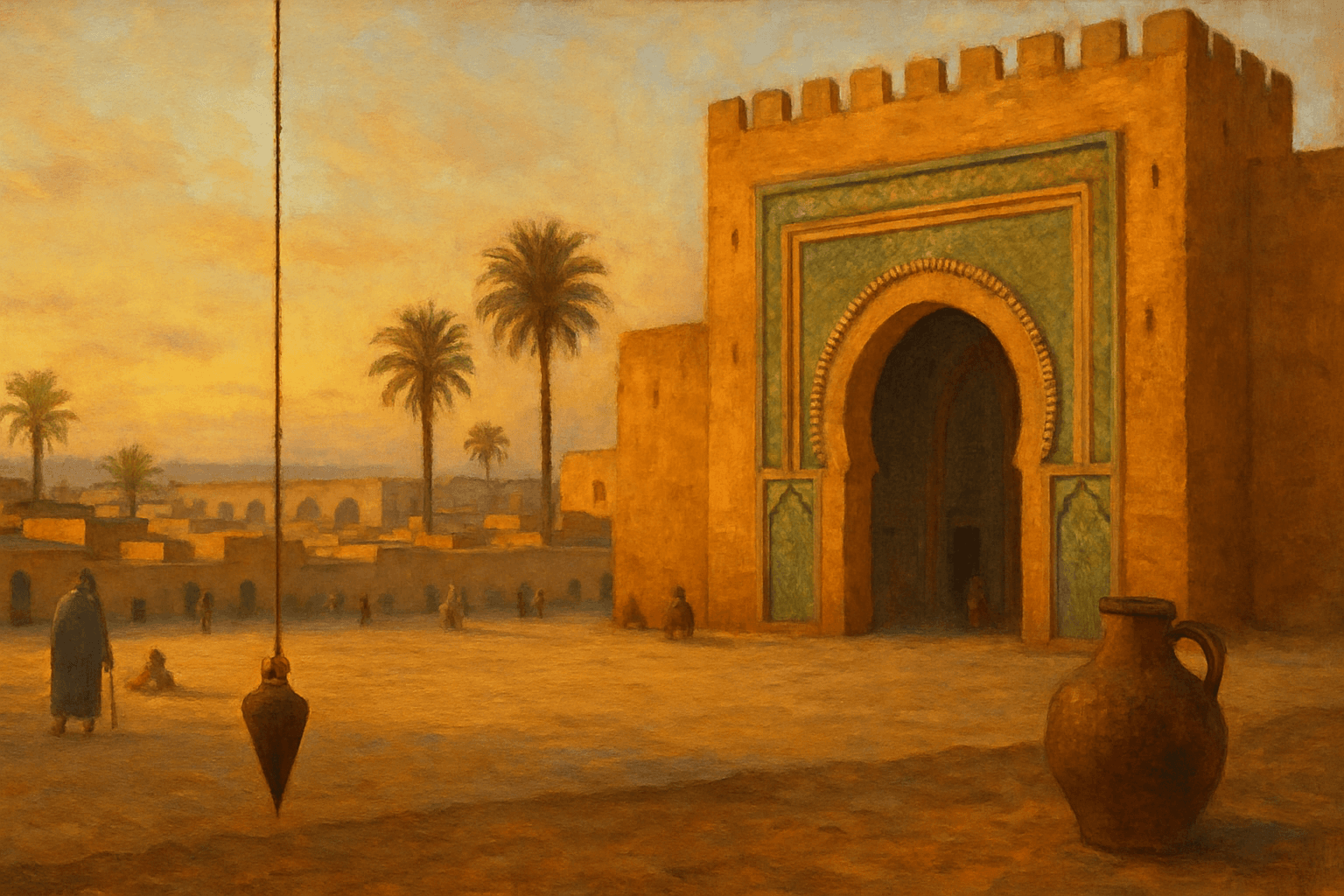
Stand on the open ground just north of the old kasbah walls, at the small gate called Bab Bou Ameir, about 200 m north of the city centre. Face the gate.
Directions