
City walk · Barrio de los Austrias, Madrid · Spain
1797–1870 · a real person
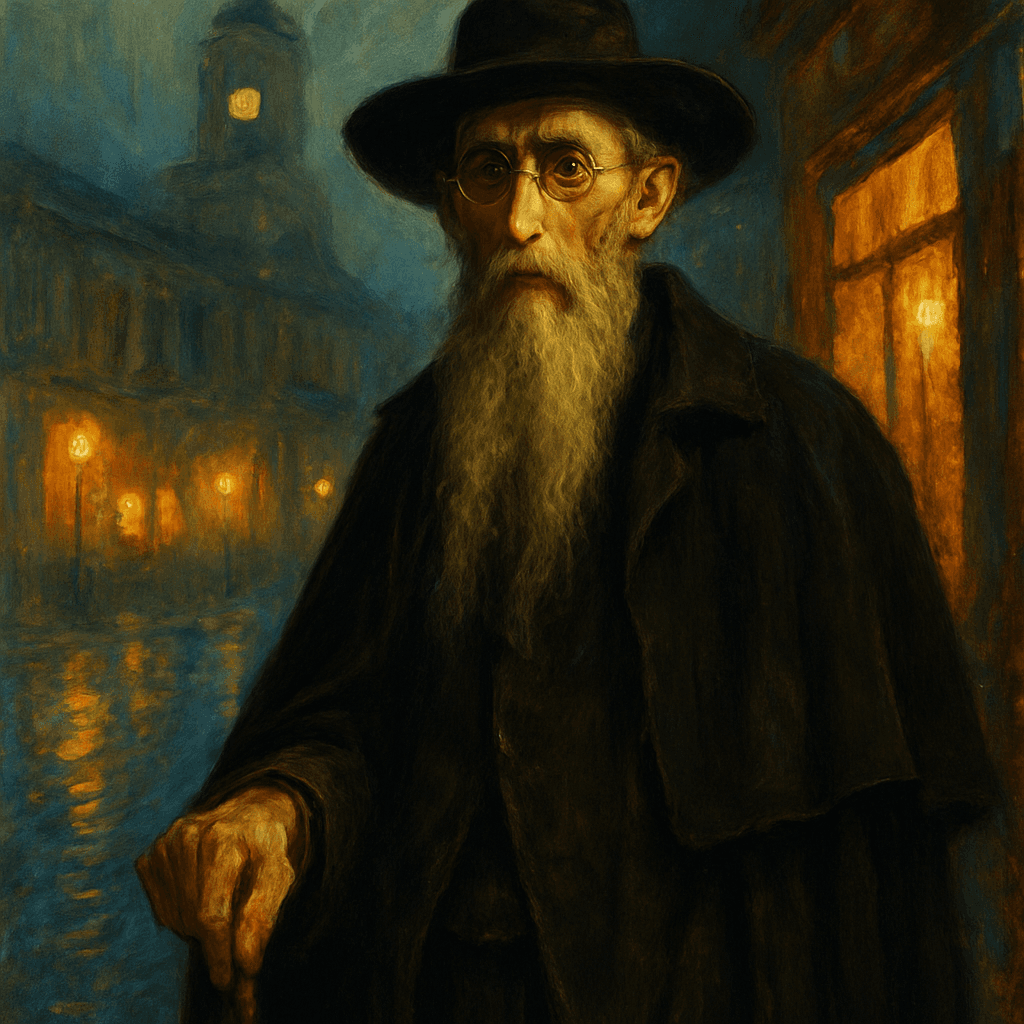
an exiled clockmaker, precise, dry, a little guilty, in love with a square that no longer exists
Good day. I am José Rodríguez de Losada, clockmaker, of León and of London, and the clock over that door is mine. But I came home to a Puerta del Sol with a hole in it: the church of Buen Suceso, the steps of San Felipe, the great fountain — all gone, and nobody will tell me who took them. Five suspects: the road engineers, the clockmaker (that is me), the Metro diggers, a Florentine merchant, and a minister with a decree. Every stop in this square carries a written word that clears one of them. Walk, read, and hand me the name.
You’re walking this one before anyone at Walk & Tell has. If something looks wrong, tap Report at any stop — we’ll fix it for everyone after you.
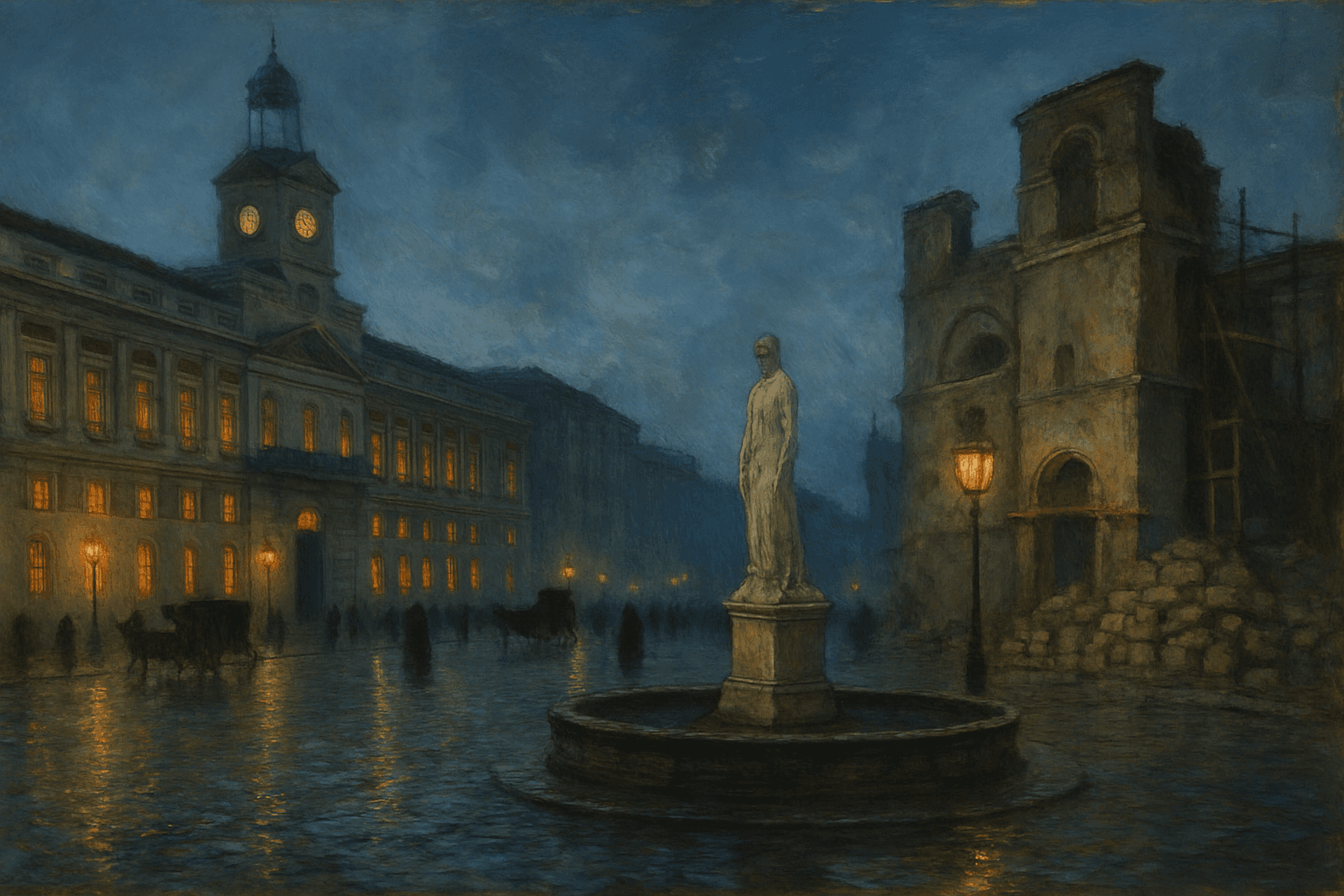
Puerta del Sol looks like it has always been this shape. It hasn't: a church, a convent's gossip-steps and a whole fountain were erased from this square in a single lifetime. Guided by the clockmaker whose bells still rule Spanish New Year, you'll read five inscriptions across the busiest 600 metres in Madrid and clear the suspects one by one. Every clue is a word, a name or a year written on stone.
Start here
Puerta del Sol, Barrio de los Austrias
Barrio de los Austrias · 5 stops · 0.7 km
about 7 min walking, 20 min listening at the stops — going inside is extra · Tap a stop on the map for a preview.
1 / 5
Stand on the south pavement of Puerta del Sol, in front of the big clock-tower building (Real Casa de Correos), by the brass slab set into the ground.
Your mission
Clear four suspects in Puerta del Sol and name who emptied the square.
5 stops · 3 clues and 2 photo challenges · a final puzzle
Best from stop 1 — the story is told in order. Tap Start here on any stop to begin there instead; the guide will catch you up.
Kilómetro Cero
The brass and stone slab in the pavement from which every radial road in Spain is measured.
Puerta del Sol Clock
“El Reloj de la Puerta del Sol”
The clock on the Real Casa de Correos whose bells ring in the Spanish new year.
Olga Ramos
“Where the Café Universal Stood”
A plaque on the eastern side of Sol marking a vanished café where a famous violinist-singer performed.
Estatua de la Mariblanca
“Mariblanca, the Survivor”
A white female figure, all that remains of a monumental fountain that once stood in Puerta del Sol.
Monasterio de San Felipe
“The Steps of San Felipe”
A plaque marking the site of the monastery whose steps were Madrid's most famous rumour-mill.
The walk passes these without stopping. Add one and the route bends to take it in — the guide has nothing to say about them, so you are on your own there.
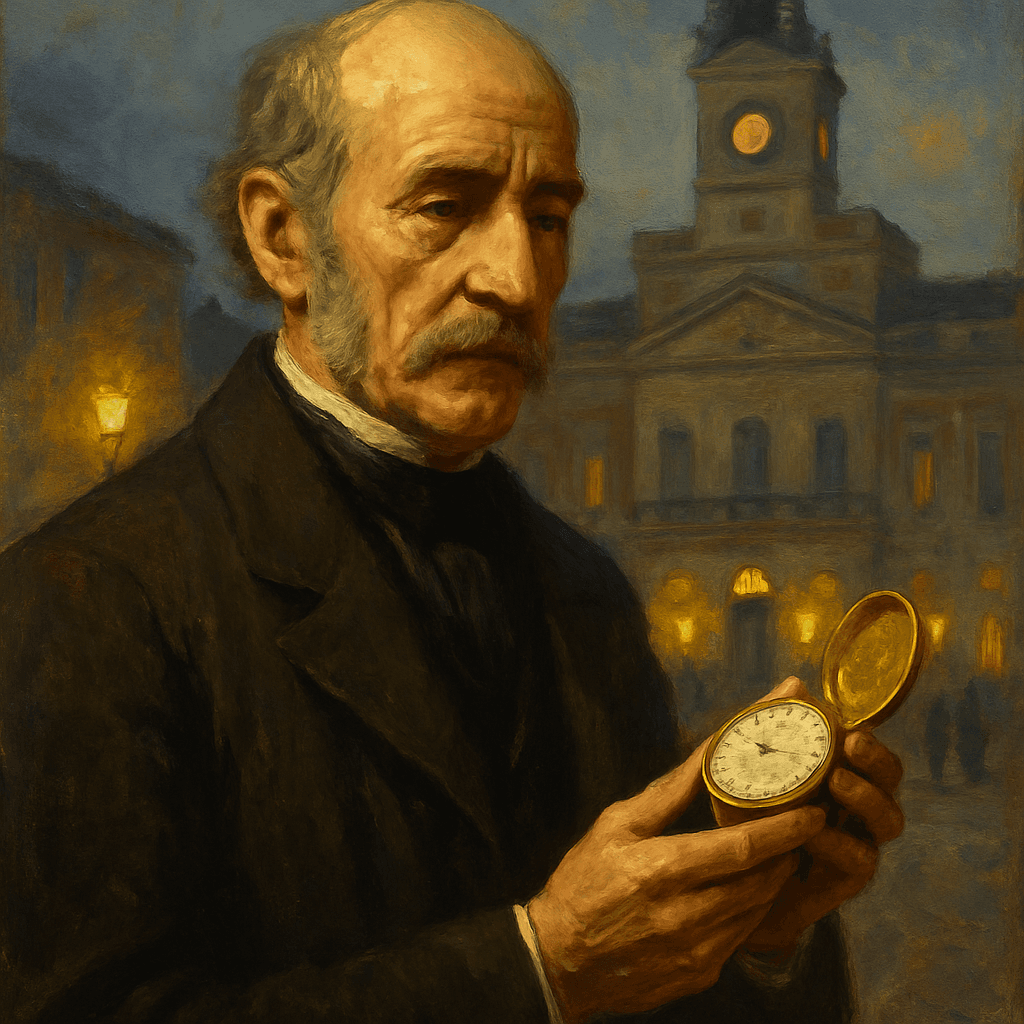
He built and gave Madrid the Puerta del Sol clock that replaced the old church clock of Buen Suceso, the very church that disappeared from this square.
1797–1870
José Rodríguez de Losada was a Spanish clockmaker from León who left Spain as a young man, settled in London and became a celebrated maker of marine chronometers and public clocks. His best-known work is the clock of the Real Casa de Correos in Puerta del Sol, which he presented to the city; its bells still mark the Twelve Grapes on New Year's Eve, broadcast live since 1962. He died in London in 1870 and, by his own wish, was buried in his native León. He is named as the author of the Puerta del Sol clock on the square itself.
1 play
5.0 from 1 player
Christine
Sep 12, 2026
Good route