City walk · Ho Chi Minh City · Vietnam
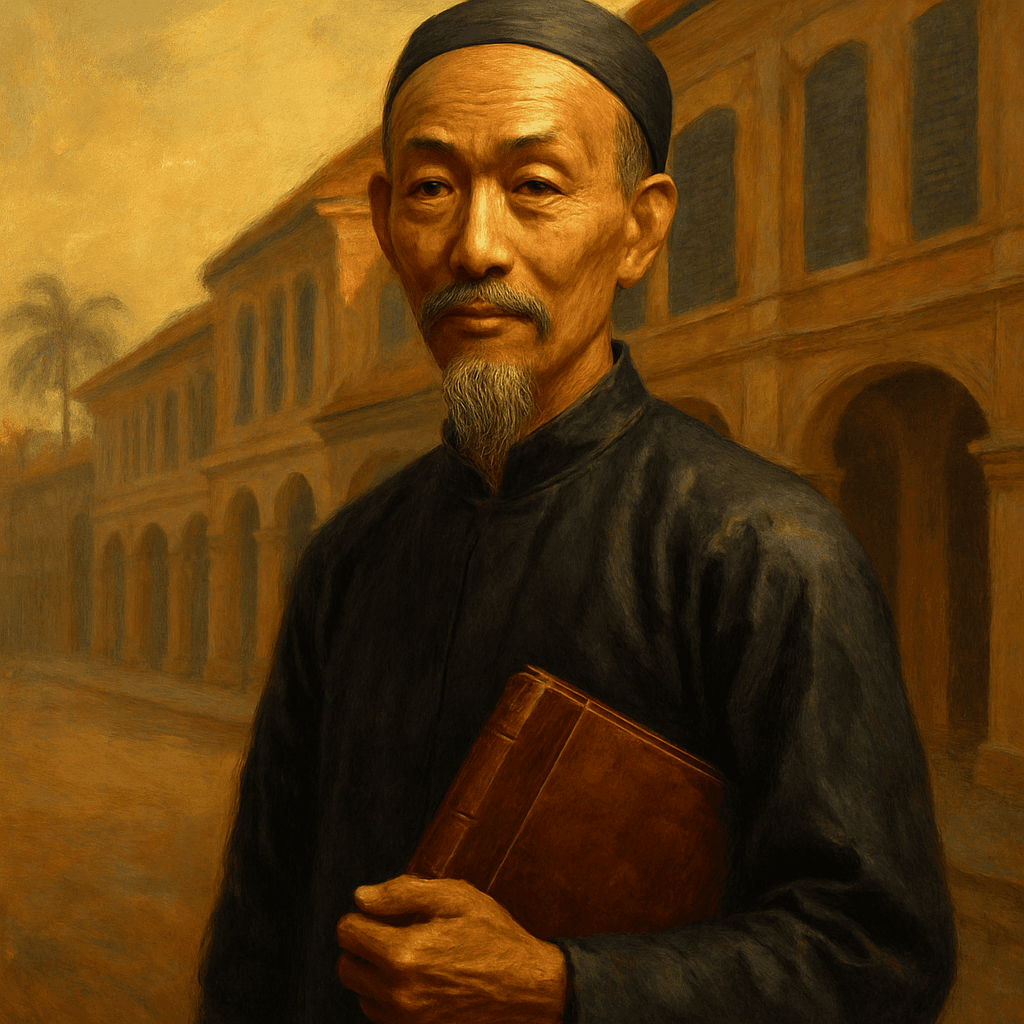
Hui Bon Hoa (Hứa Bổn Hòa)
c.1845–1901 · a real person
a shrewd, warm old Chinese-Saigonese landlord, amused by money, blunt about who paid for what
Read what Hui Bon Hoa (Hứa Bổn Hòa) says
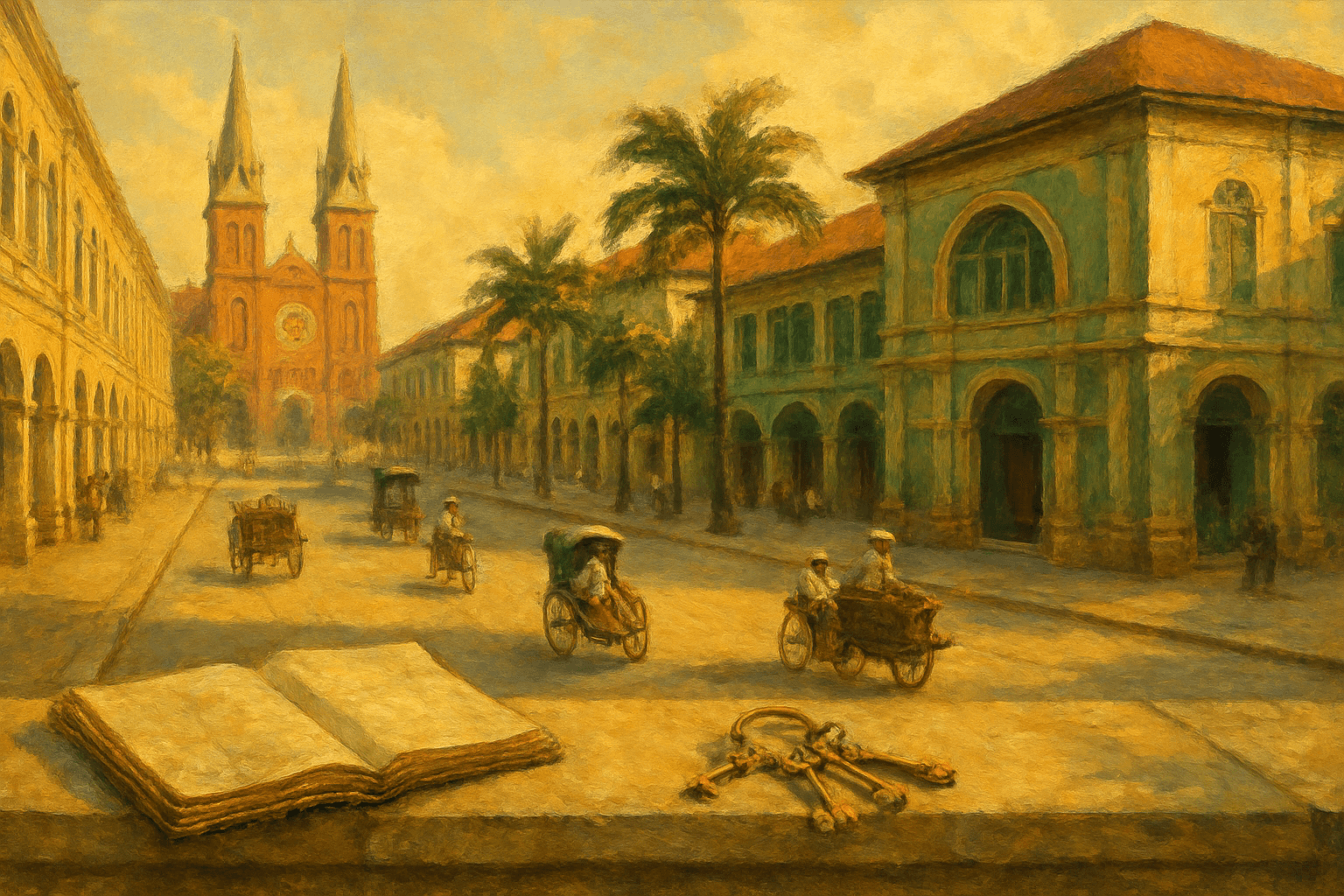
They called me Chú Hỏa — Uncle Hỏa — and they said I started with a sack and a handcart. I will not argue with them. I bought this city street by street, when the French were still drawing it on paper, and I did not live to see most of what you are about to walk past. So walk it for me. Begin where everyone in Saigon begins: at the market.
Ho Chi Minh City · 8 stops · 3.9 km
about 81 min walking, 33 min listening at the stops — going inside is extra · Tap a stop on the map for a preview.
Where it takes you
1 / 6


Best time to walk: Early morning or after 4pm — the squares around the cathedral and palace have no shade at midday. The War Remnants Museum closes 12:00–13:30 and the Independence Palace grounds shut by late afternoon.
114 min · 3.9 km · 8 stops · medium
You’re walking this one before anyone at Walk & Tell has. If something looks wrong, tap Report at any stop — we’ll fix it for everyone after you.
Partly shadedBest time to walk: Early morning or after 4pm — the squares around the cathedral and palace have no shade at midday. The War Remnants Museum closes 12:00–13:30 and the Independence Palace grounds shut by late afternoon.
The walk
A story walk across the heart of District 1, from the city's busiest market to the glass tower on the riverbank. The guide is Hui Bon Hoa, the immigrant trader who became the richest man in colonial Saigon and whose family's buildings still stand on these streets. He talks about who paid for this city, who built it, and who was left out. No puzzles — just eleven places and one man's account of them.
Start here
30-36 Phan Bội Châu, Phường Bến Thành
Begin on the open plaza at the clock-tower entrance of Ben Thanh Market, where the traffic circle meets the market front.
Directions