City walk · Dubai Old City, Dubai · United Arab Emirates
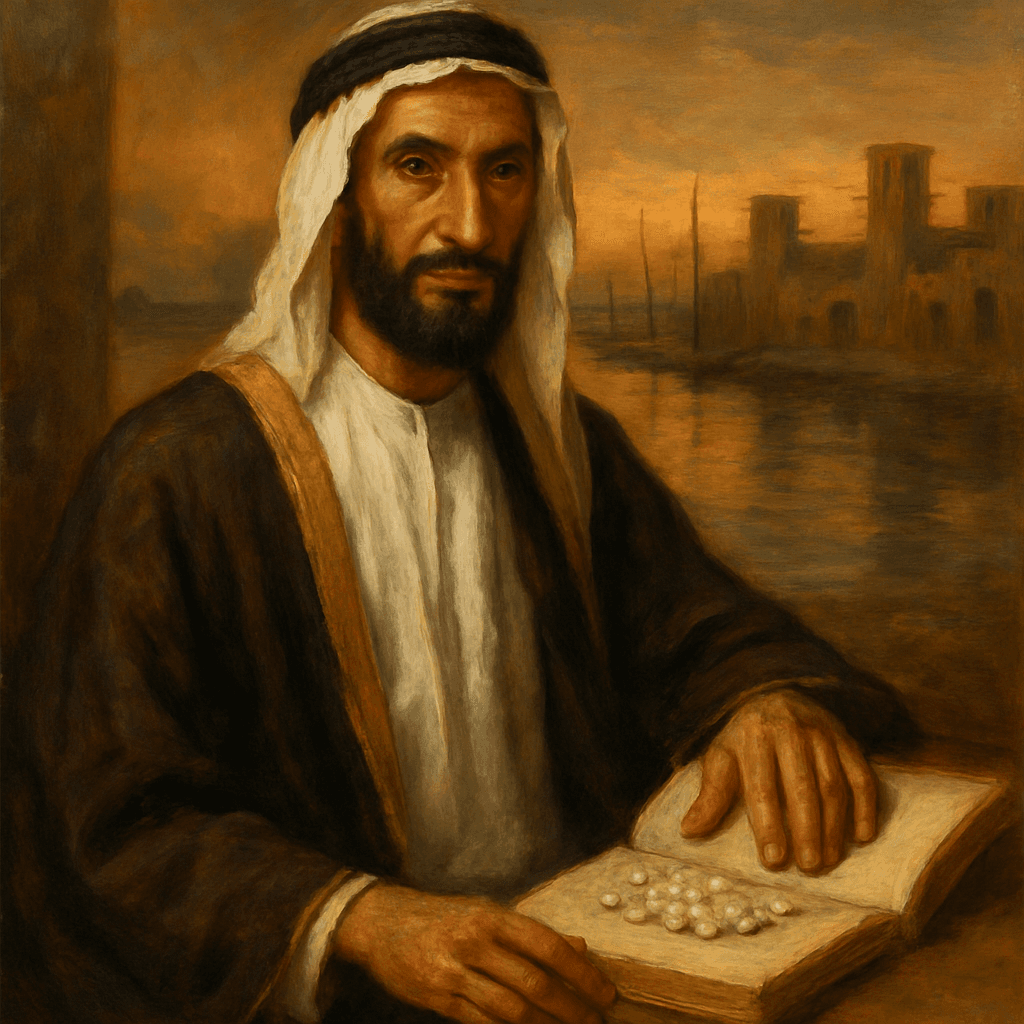
Maktoum bin Hasher Al Maktoum
c.1860–1906 · a real person
a shrewd, warm pearling-era ruler, unhurried, fond of merchants and of arithmetic, half amused by what his gamble became
Read what Maktoum bin Hasher Al Maktoum says
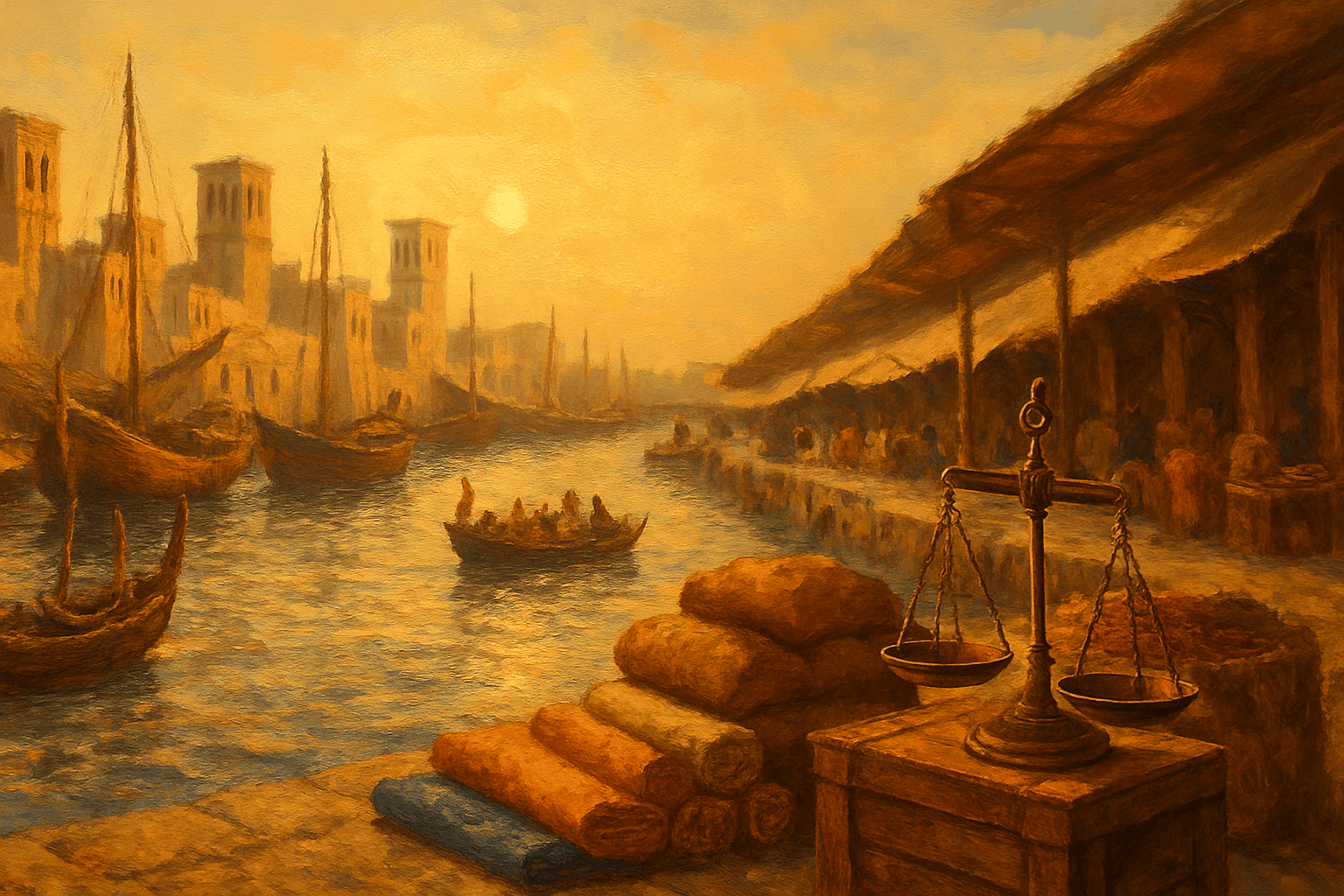
I am Maktoum bin Hasher, and for twelve years this creek was mine to govern. In 1894 I did a strange thing for a ruler: I stopped taking money from the people who passed through. No duties, no tax on a bale or a sack — come, trade, stay. The merchants of the Gulf laughed, then packed their houses onto boats and came. Walk with me from my quarter to the far bank, and I will show you what that one decision grew into.
Dubai Old City · 8 stops · 3.4 km
about 58 min walking, 32 min listening at the stops — going inside is extra · Tap a stop on the map for a preview.
Where it takes you
1 / 6


Best time to walk: Early morning or after 4pm. The souks are calm before 10am, the lanes of Al Fahidi have no shade at midday, and the Grand Mosque welcomes non-Muslim visitors only Sunday to Thursday, 9 to 11.30am.
91 min · 3.4 km · 8 stops · medium
You’re walking this one before anyone at Walk & Tell has. If something looks wrong, tap Report at any stop — we’ll fix it for everyone after you.
About 1.0 km of this route is by boat, not on foot — you’ll need a ticket and the boat’s timetable. The rest is walking.
Partly shadedBest time to walk: Early morning or after 4pm. The souks are calm before 10am, the lanes of Al Fahidi have no shade at midday, and the Grand Mosque welcomes non-Muslim visitors only Sunday to Thursday, 9 to 11.30am.
The walk
A story walk through old Dubai on both banks of the Creek, told by Sheikh Maktoum bin Hasher Al Maktoum, the ruler who in 1894 scrapped the customs duties and pulled the merchants of the Gulf to his shore. It runs from the old quarter of Bur Dubai, through the coral-and-gypsum lanes the Persian traders built, past the fort that was his house, and over the water by abra to the souks of Deira. No puzzles: just a city that still does for a living exactly what he told it to do. Half the stops are places people are still buying and selling in this morning.
Start here
شارع السيف, الحمرية
Begin on the creek side of the old quarter of Bur Dubai, at the historic old-town monument marked Dubai Old City — stand in the open, away from traffic, and press play.
Directions