City walk · Belváros, Budapest · Hungary
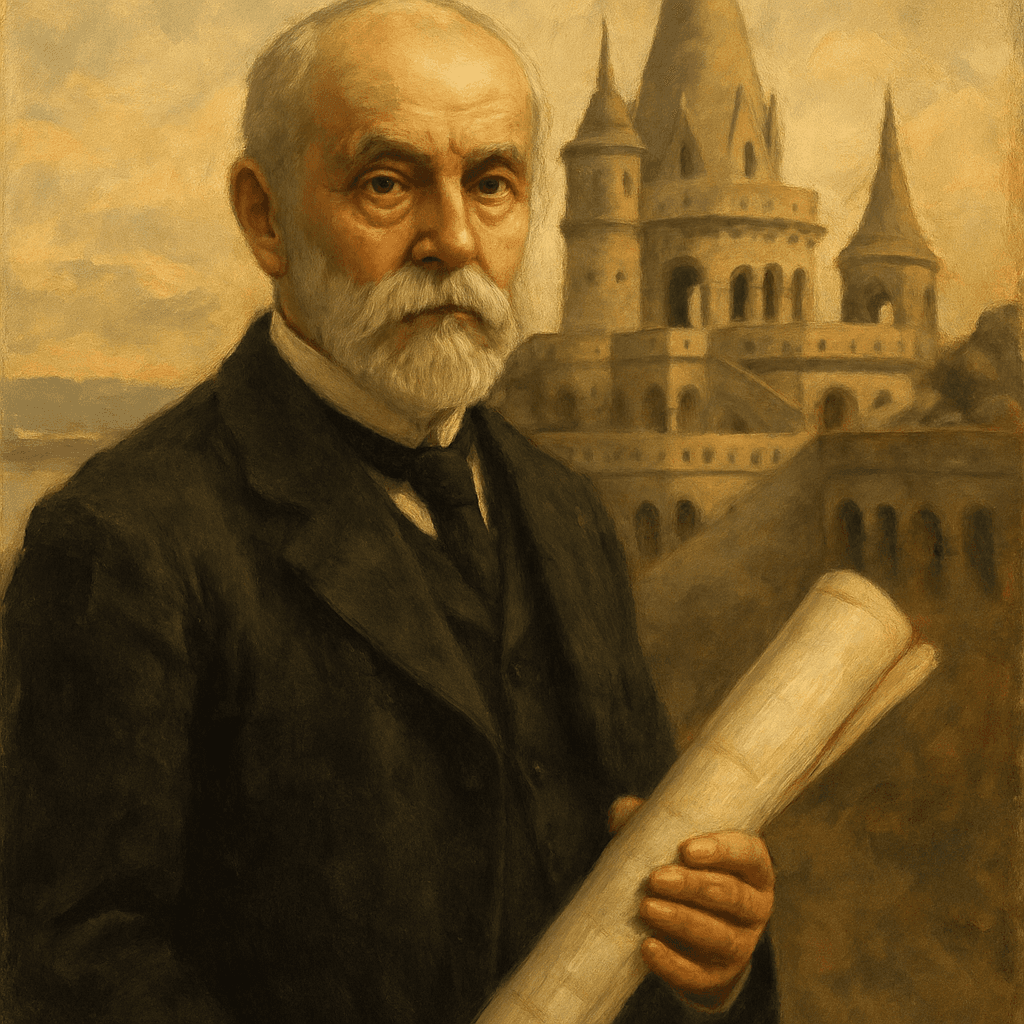
Frigyes Schulek
1841–1919 · a real person
an old architect, precise and proud, softening as the walk goes on; talks about stone the way others talk about people
Read what Frigyes Schulek says
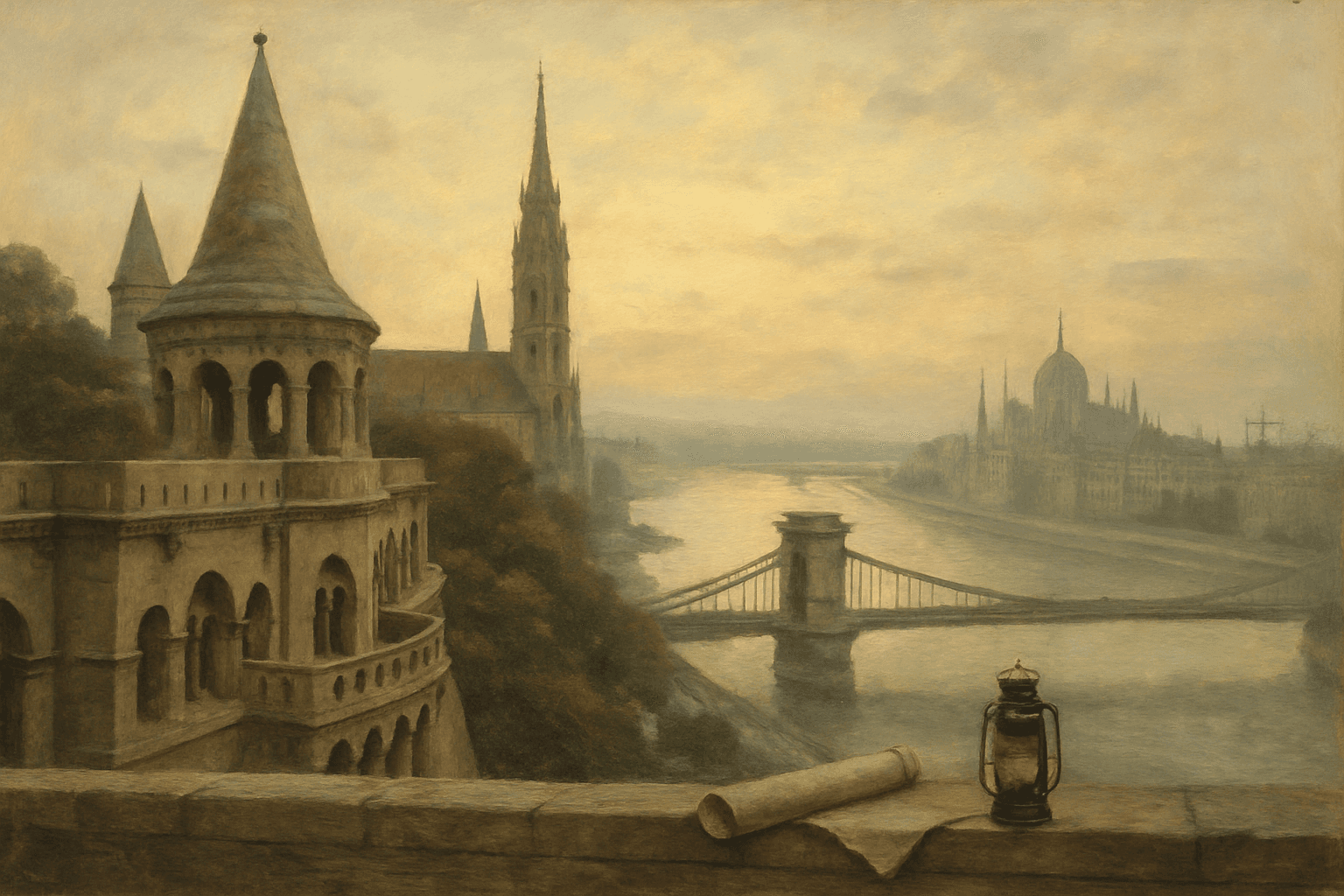
My name is Frigyes Schulek. The white terraces under your feet are mine — I drew them, and the masons cut them between 1895 and 1902. People call it a fortress. It never defended anything; it is a place to stand and look. Walk down with me into the city I watched being built, and I will show you what my hands touched and what other men's hands took from me.
Belváros · 8 stops · 4.9 km
about 83 min walking, 34 min listening at the stops — going inside is extra · Tap a stop on the map for a preview.
Where it takes you
1 / 6


Best time to walk: Early morning or late afternoon. The Bastion terraces are packed and sunlit by ten; the Pest squares are best after five. The Dohány Street Synagogue is closed on Saturdays and Jewish holidays.
116 min · 4.9 km · 8 stops · medium
You’re walking this one before anyone at Walk & Tell has. If something looks wrong, tap Report at any stop — we’ll fix it for everyone after you.
Partly shadedBest time to walk: Early morning or late afternoon. The Bastion terraces are packed and sunlit by ten; the Pest squares are best after five. The Dohány Street Synagogue is closed on Saturdays and Jewish holidays.
The walk
A single line across Budapest, told by the architect who built the Fisherman's Bastion. It starts on the terraces above the Danube, comes down through the Castle, crosses the Chain Bridge and ends deep in Pest at Europe's largest synagogue. Along the way: a coronation church, a parliament that broke its architect, a basilica that collapsed and rose again, and the squares and cafés where the city still sits out. No puzzles — just the story, told by a man who spent his life restoring this skyline.
Start here
2 Szentháromság tér, Vár
Stand on the upper terrace of the Fisherman's Bastion, on the white stone walkway facing the river, with Matthias Church behind you.
Directions